
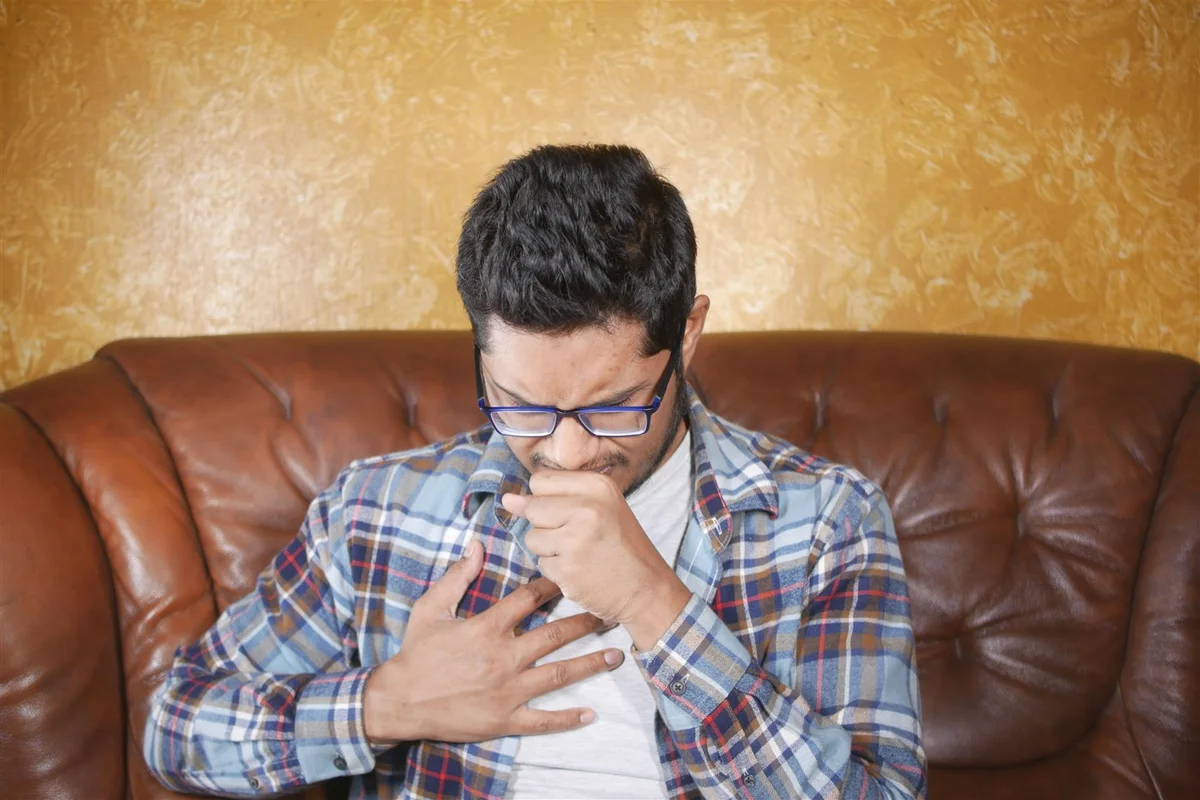
Chronic obstructive pulmonary disease (COPD) causes the airways to gradually narrow, leading to cough, phlegm production and increasingly severe shortness of breath. It is common in long-term smokers. This article helps you recognize it early and slow the progression of the disease.
What is COPD?
COPD is a chronic respiratory disease in which the airways become inflamed and narrowed, and the alveoli are gradually destroyed, making it difficult for air to move in and out of the lungs. This damage progresses slowly over many years and is difficult to reverse, but its progression can be slowed if detected early.
Who is at risk of COPD?
- Cigarette and pipe tobacco smokers, including e-cigarette users, are the highest-risk group.
- People exposed to secondhand smoke for many years.
- People exposed to cooking smoke from charcoal or wood stoves, occupational dust, and chemicals.
- People over 40 years old with a history of asthma or repeated respiratory infections in childhood.
Early signs that are often overlooked
- Prolonged cough, morning cough, phlegm production: many people dismiss it as a "smoker's cough."
- Shortness of breath and breathlessness when climbing stairs, walking fast, or doing heavy work; later, shortness of breath occurs even during light activity.
- Wheezing and chest tightness.
- Frequent bronchitis or pneumonia, each episode taking a long time to resolve.
- Severe stage: fatigue, weight loss, swollen feet, bluish lips.
How is it diagnosed?
The doctor will ask about symptoms, smoking habits, and working environment, and order pulmonary function testing, a simple, painless test that helps determine the degree of obstruction. A chest X-ray may also be performed to rule out other diseases.
Slowing disease progression
- Quitting smoking is the most important step at every stage, no matter how many years you have smoked.
- Avoid cooking smoke, dust, and secondhand smoke; wear a mask when going outdoors and when working in dusty areas.
- Use inhaler medications with the correct technique, regularly as prescribed; ask healthcare staff to guide you on the proper inhalation method.
- Get an annual flu vaccine and pneumococcal vaccine as advised to reduce severe episodes.
- Practice pursed-lip breathing exercises, walk, and do moderate exercise every day.
- Eat a balanced diet, and split into several small meals if eating until full causes shortness of breath.
When should you seek medical attention immediately?
People with COPD should go to a medical facility immediately if shortness of breath increases significantly, phlegm becomes abundant and turns yellowish-green, fever occurs, lips turn bluish, or they become confused. Smokers over 40 with prolonged cough and shortness of breath should get checked early. You can visit Ky Hoa Medical Center directly during opening hours at 266A - 268, 3 Thang 2 Street, Hoa Hung Ward, Ho Chi Minh City. Hotline 028.3868.1097, Zalo 082.299.3377.