

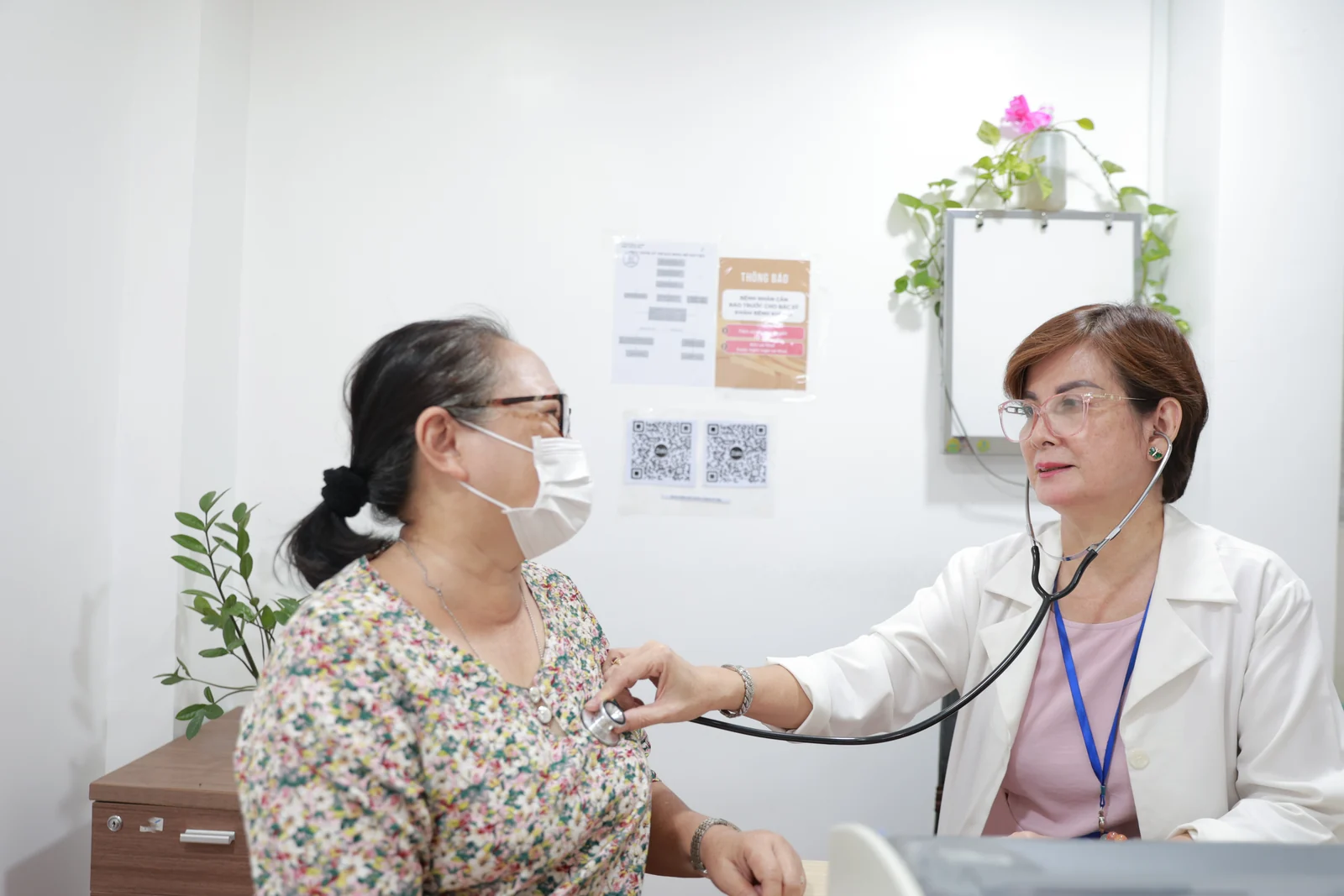
High and low blood pressure both need monitoring. Each calls for its own food choices, along with a regular daily routine and consistent blood pressure checks.
Many people still think only older adults get high blood pressure, or that low blood pressure is less of a worry than high blood pressure. Both are misconceptions. Understanding blood pressure correctly helps you prevent disease and limit complications.
Understanding your blood pressure numbers
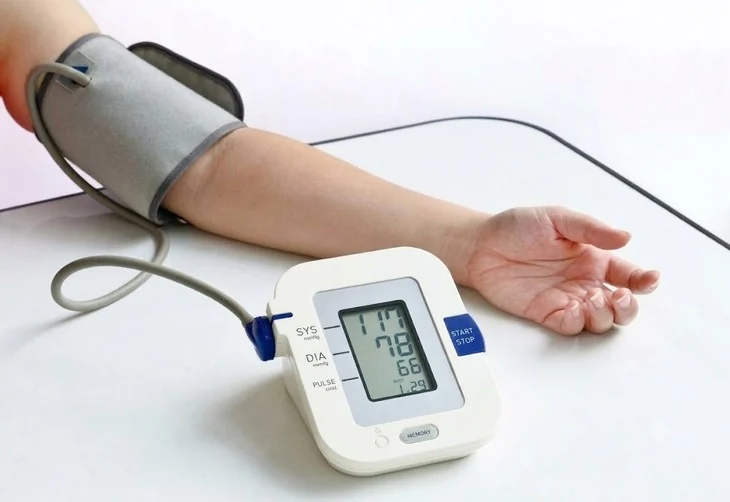
Blood pressure is the force of blood pushing against the artery walls each time the heart beats. It depends on how strongly the heart pumps and how much resistance the blood vessels put up. It is measured in millimeters of mercury (mmHg) and has two numbers: systolic pressure (the higher number) written on top and diastolic pressure (the lower number) written below.
- High blood pressure (hypertension): when the top number is 140 mmHg or higher and/or the bottom number is 90 mmHg or higher. It can lead to heart failure, kidney failure, heart attack and stroke, leaving people paralyzed or unable to work. Many people have no clear symptoms, so it is found late. Stressful lifestyles, too little exercise and a diet heavy in fast food and sweets mean young people are increasingly affected too.
- Low blood pressure (hypotension): when the top number is below 90 mmHg or the bottom number is below 60 mmHg. It can be long-lasting or come on suddenly, and is common in older adults. People with it are prone to blurred vision, dizziness and even fainting, and may fall if they are driving or working at heights.
So low blood pressure should not be seen as "safer". Both need close monitoring and proper management.
Choosing food to match your blood pressure
According to cardiologists, sensible eating and a healthy lifestyle are the foundation for keeping blood pressure stable: eat a balanced diet, drink enough water, cut back on alcohol, tobacco and ready-made foods, eat more vegetables and fruit and exercise regularly.
People with high blood pressure should choose foods rich in fiber, potassium, magnesium and antioxidants: green vegetables such as mustard greens, amaranth, cauliflower and spinach; fruit such as oranges, pomelos, bananas and papayas; brown rice, oats and whole-wheat bread; soybeans, walnuts and almonds; mackerel, salmon and herring, which are rich in omega-3; and low-fat or unsweetened milk.
Limit instant noodles, pickled vegetables, sausages, canned food, fast food, organ meats, sweets and fizzy soft drinks. Heavy-handed use of fish sauce, soy sauce and seasoning salt for dipping is also a source of "hidden" salt.
People with low blood pressure need to eat regular meals and not go hungry for long. Choose lean meat, beef, fish, eggs, milk, dark leafy greens, beans and fruits rich in vitamin C such as guavas, oranges and pomelos to help iron absorption. Some people are told by their doctor to eat a little saltier than usual, but you should not decide on your own to eat very salty food; the recommended limit is still no more than 5 g of salt a day. Eat smaller, more frequent meals, do not skip breakfast, and do not get up too quickly after eating or resting.
Daily habits that help stabilize blood pressure
- Exercise at a comfortable level, such as walking, swimming or yoga, for at least 30 minutes a day, 5 days a week; avoid overly strenuous movements.
- Do not change position suddenly, such as jumping up from a squat or sitting up abruptly from lying down, as this can make you dizzy.
- Keep a relaxed state of mind and do not stay up late.
- Get 7 - 8 hours of sleep each night. Long-term lack of sleep can lead to high blood pressure, stroke and heart disease, and in people with low blood pressure it makes dizziness and fatigue worse. Daytime naps should last only 20 - 30 minutes.
Monitoring blood pressure and when to see a doctor
Take the initiative to measure your blood pressure at home or have regular checkups. People over 40 should have a heart checkup every 3 - 5 years; older adults should be checked every year or as advised by their doctor. See a doctor early if you often have headaches, dizziness, fatigue, occasional lightheadedness or fainting, or if repeated readings are abnormal, especially older adults with heart disease or diabetes.
Trusted clinic for blood pressure problems in Ho Chi Minh City
Ky Hoa Medical Center has nearly 20 years of experience in medical care in Ho Chi Minh City, with a team of highly qualified doctors and a careful, transparent way of working. For blood pressure problems, our Internal Medicine doctors take time to listen, examine carefully and explain clearly so that you fully understand your condition, then agree together on a treatment and follow-up plan.
The center operates under Operating License No. 00449/HCM-GPHĐ, with a list of medical techniques approved by the Ho Chi Minh City Department of Health (Decision 471/QĐ-SYT), and is a primary care facility contracted with Ho Chi Minh City Social Security, accepting health insurance (BHYT) visits on Saturdays as well. The practising certificates of our 24 doctors are published on our Doctors page.
You can come to Ky Hoa Medical Center, where an Internal Medicine doctor will measure your blood pressure, examine you and advise on a diet suited to your condition. Simply walk in during opening hours and take a queue number.
Ky Hoa Medical Center
Address: 266A - 268 3 Thang 2 Street, Hoa Hung Ward, Ho Chi Minh City
Opening hours: Monday to Saturday, 6:30 - 11:30 and 13:00 - 17:00 (closed on Sunday)
Hotline: 028.3868.1097
Source: Suc Khoe & Doi Song (Health & Life) newspaper