

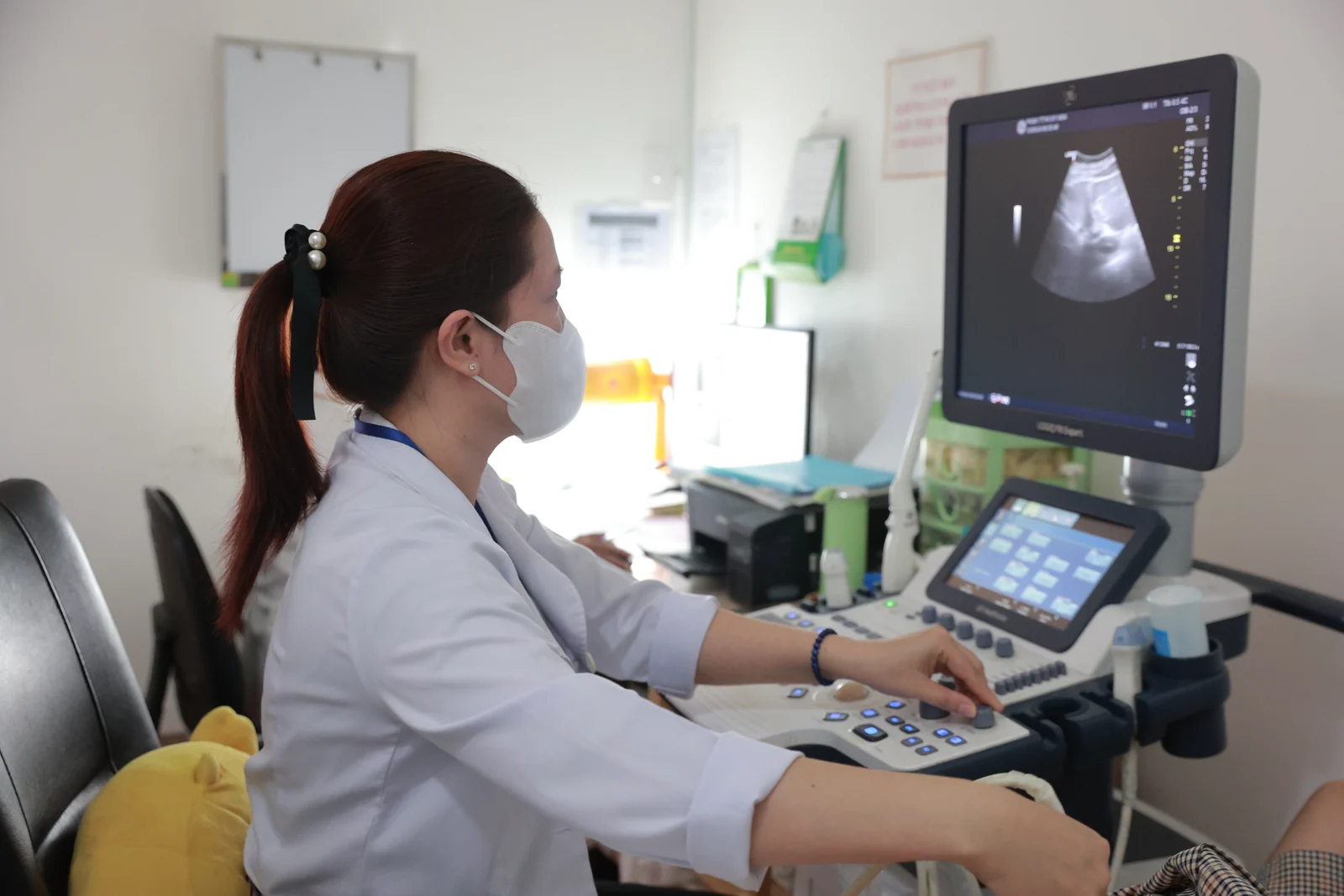
Fatty liver often has no symptoms at first. Blood tests, ultrasound and fibrosis checks show how far the liver is damaged so it can be managed in time.
As more and more people become overweight or develop diabetes and metabolic disorders, fatty liver has also become common. Most people only find out they have it during a health check-up. Knowing which stage the disease is at helps the doctor choose a treatment approach and prevent later complications such as cirrhosis, liver failure and liver cancer.
Stages of fatty liver
Specialists now use the name MASLD for fatty liver linked to metabolic disorders, replacing the older term non-alcoholic fatty liver disease. Depending on the degree of damage, the disease has three levels:
- Mild (MASLD): fat has just begun to build up in liver cells, without causing significant inflammation or damage. There are usually no symptoms yet, and it can improve with a sensible diet, weight loss and exercise.
- MASH stage: more fat accumulates, and the liver cells become inflamed and damaged. If not well controlled, it can lead to cirrhosis.
- Severe stage: the liver is clearly damaged and may progress to cirrhosis or liver failure, or carry a higher risk of liver cancer. At this point, active treatment and regular follow-up at a specialist facility are needed.
Blood tests: the first step
A blood test is the first step to see how well the liver is working. The liver enzyme tests usually ordered include AST, ALT and GGT. Raised liver enzymes may indicate that liver cells are being damaged. Even so, not everyone with fatty liver has high liver enzymes.
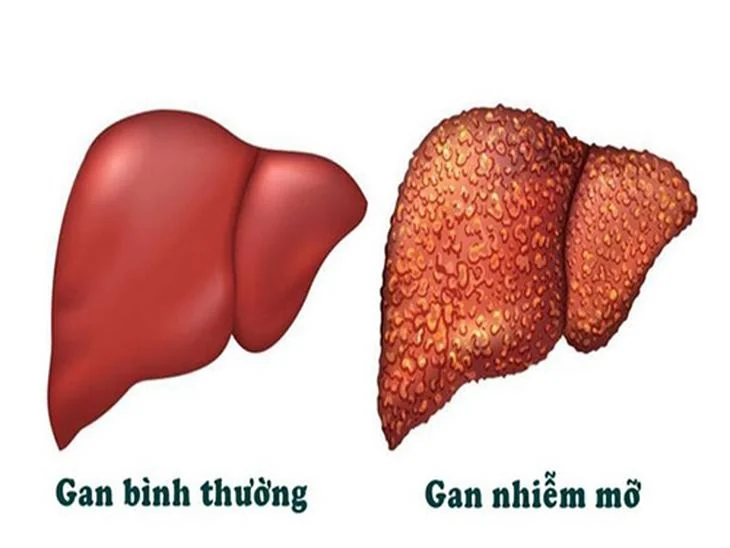
The doctor also often orders blood sugar, HbA1c and a blood lipid panel (triglycerides, total cholesterol, LDL-C, HDL-C) to look for disorders that commonly go along with fatty liver.
Imaging and liver stiffness measurement
- Liver ultrasound: common, simple, non-invasive and affordable. A liver that looks brighter than normal on ultrasound (increased echogenicity) suggests fat buildup and gives a rough estimate of how fatty the liver is.
- CT scan or MRI: used when a closer look is needed or complications are suspected, giving a clearer view of the liver tissue and helping detect tumors or cirrhosis.
- Liver stiffness measurement (elastography): uses ultrasound waves to measure how stiff the liver tissue is, with no invasive procedure for the patient. The results help grade the degree of fat buildup and detect liver fibrosis early.
- Liver biopsy: gives the most accurate assessment of the damage, but is only done in special situations, such as suspected cirrhosis or severe hepatitis, or when the condition must be told apart from other liver diseases and non-invasive methods are still not clear enough.
Lifestyle is the foundation of control
Along with medication prescribed by a doctor, lifestyle remains the foundation:
- Eat plenty of green vegetables, fresh fruit and fiber; cut down on soft drinks, sweets, processed foods and saturated fats.
- Exercise for at least 30 minutes a day, choosing brisk walking, swimming, cycling or yoga according to your ability, to improve metabolism and reduce liver fat.
- Keep blood pressure, blood sugar, blood lipids and weight stable, as these underlying conditions make fatty liver worsen faster.
How much weight loss helps the liver
According to research, weight loss brings clear benefits:
- Losing more than 3% of body weight: the amount of fat in the liver improves.
- Losing 5-7%: liver inflammation decreases.
- Losing 10% or more: liver fibrosis may improve.
People of normal weight who still have fatty liver should work on reducing visceral fat and building muscle, rather than looking only at the number on the scale. Anyone who is overweight or has diabetes or a blood lipid disorder should have regular check-ups and liver tests as advised by their doctor, because when it is detected early, the disease can be prevented and improved.
Trusted clinic for fatty liver in Ho Chi Minh City
With nearly 20 years of experience and a team of highly qualified doctors, Ky Hoa Medical Center is a familiar choice for many families in Ho Chi Minh City when they need care for fatty liver. Here, our Internal Medicine doctors take time to listen, examine carefully and explain clearly so that you fully understand your condition, then agree together on a treatment and follow-up plan.
Laboratory tests and ultrasound are performed on site, so you can complete check-ups in one place, which makes follow-up visits easier.
The center operates under Operating License No. 00449/HCM-GPHĐ, with a list of medical techniques approved by the Ho Chi Minh City Department of Health (Decision 471/QĐ-SYT), and is a primary care facility contracted with Ho Chi Minh City Social Security, accepting health insurance (BHYT) visits on Saturdays as well. The practising certificates of our 24 doctors are published on our Doctors page.
If you are in a risk group or have had abnormal liver enzyme results before, you can come to Ky Hoa Medical Center for an Internal Medicine consultation: simply walk in during opening hours and take a queue number. The doctor will order suitable laboratory tests and an ultrasound to assess your liver.
Ky Hoa Medical Center
Address: 266A - 268 3 Thang 2 Street, Hoa Hung Ward, Ho Chi Minh City
Opening hours: Monday to Saturday, 6:30 - 11:30 and 13:00 - 17:00 (closed on Sunday)
Hotline: 028.3868.1097
Source: Suc Khoe & Doi Song (Health & Life) newspaper