

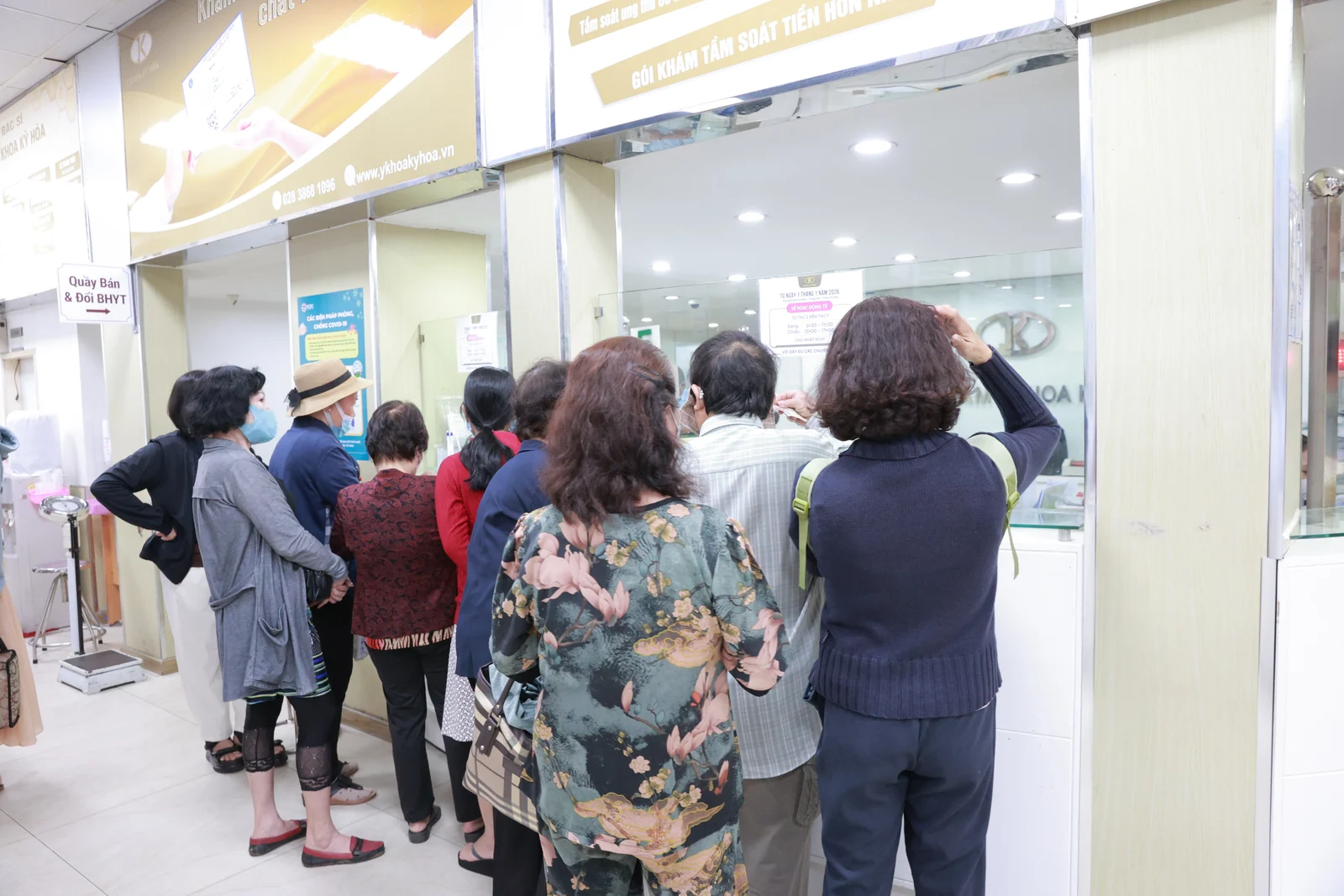
As autumn turns to winter, flu B and the A(H1N1) and A(H3N2) strains spread easily. Telling flu from a cold helps your family know when to see a doctor.
Flu circulating as the seasons change
By September 2026, respiratory illnesses tend to rise as the seasons change, with the first cold air of the season and fluctuating humidity helping flu viruses spread. According to disease surveillance results, the three common strains are still influenza B Victoria lineage, influenza A/H1N1 and A/H3N2. The viruses' virulence shows nothing unusual, but because flu A and flu B are circulating alongside other respiratory illnesses, schools and workplaces need to pay closer attention at the start of the school year.
The World Health Organization (WHO) states that influenza A and B viruses are the two main causes of seasonal flu in humans. Influenza A is divided into subtypes based on two proteins on the virus surface (HA and NA); the two subtypes currently circulating in humans are A(H1N1) and A(H3N2). Influenza B is not divided into subtypes but into lineages, and the B/Victoria lineage is currently being recorded. Both spread from person to person through the air when people cough, sneeze or talk at close range; the virus can also stay on hands and objects and then be carried by the hands to the eyes, nose and mouth.

According to doctors, there are periods when influenza A, especially A(H3N2), circulates heavily and is linked to widespread surges in cases. Even so, having flu A does not necessarily mean being sicker than with flu B. How severe the illness is also depends on age, physical condition, underlying conditions and immunity. Groups more prone to complications include young children, pregnant women, older people and people with chronic illnesses; WHO also classifies these groups as high risk.
Telling a cold from seasonal flu
Both can cause a blocked nose, runny nose, sore throat, cough and tiredness, so they are easily confused. An easy rule of thumb: a cold usually comes on gradually, with symptoms mainly in the nose and throat; flu tends to come on suddenly, with more noticeable tiredness and aches all over the body.
- Onset: a cold usually comes on gradually; flu usually comes on suddenly.
- Blocked nose, runny nose, sneezing, sore throat: common with a cold; flu can also cause them.
- Fever: a cold rarely causes fever, or only a mild one; flu usually causes a more noticeable fever.
- Body aches and tiredness: usually mild with a cold; can be very marked with flu.
- Cough: a cold can cause a cough; flu usually does, sometimes lasting 2 weeks or more.
This is only a rough guide and is not enough to diagnose yourself. WHO notes that flu symptoms are not specific, easily overlap with many other respiratory illnesses, and often a test is needed to confirm it.
No fever does not necessarily mean no flu
Not everyone with flu has a high fever. Some people mainly have a cough, sore throat and tiredness without a clear fever; on the other hand, many other respiratory illnesses also cause high fever. So it is important to look at the whole course of the illness, especially in people in high-risk groups.
When to see a doctor and how to prevent flu
Most people with seasonal flu recover in about a week without specific treatment. Even so, according to WHO, flu can cause pneumonia and worsen existing chronic illnesses. See a doctor if you have difficulty breathing, chest pain, severe tiredness or a clear decline in health, and people in high-risk groups should not take suspected flu symptoms lightly.
A flu vaccine once a year helps lower the risk of getting sick, especially the risk of severe illness. WHO recommends getting vaccinated every year because flu viruses keep changing and the vaccine composition is updated accordingly. In addition, you should:
- Wash your hands often with soap or hand sanitizer.
- Cover your nose and mouth when coughing or sneezing.
- Keep your distance from people who are coughing or have a runny nose; use your own personal items.
- If you have symptoms, rest and avoid crowded places.
Trusted clinic for influenza in Ho Chi Minh City
Ky Hoa Medical Center has nearly 20 years of experience in medical care in Ho Chi Minh City, with a team of highly qualified doctors and a careful, transparent way of working. For influenza, our Internal Medicine and Pediatrics specialists take time to listen, examine carefully and explain clearly so that you fully understand your condition, then agree together on a treatment and follow-up plan.
Laboratory tests is performed on site, so you can complete check-ups in one place, which makes follow-up visits easier.
The center operates under Operating License No. 00449/HCM-GPHĐ, with a list of medical techniques approved by the Ho Chi Minh City Department of Health (Decision 471/QĐ-SYT), and is a primary care facility contracted with Ho Chi Minh City Social Security, accepting health insurance (BHYT) visits on Saturdays as well. The practising certificates of our 24 doctors are published on our Doctors page.
When a family member has flu-like symptoms that last a long time or is in a high-risk group, simply walk in during opening hours and take a queue number at Ky Hoa Medical Center, where a doctor in Internal Medicine or Pediatrics will examine them and order suitable laboratory tests. If there is difficulty breathing or chest pain, go to a medical facility right away.
Ky Hoa Medical Center
Address: 266A - 268 3 Thang 2 Street, Hoa Hung Ward, Ho Chi Minh City
Opening hours: Monday to Saturday, 6:30 - 11:30 and 13:00 - 17:00 (closed on Sunday)
Hotline: 028.3868.1097
Source: Suc Khoe & Doi Song (Health & Life) newspaper