

Gout is not only a middle-age disease. Diet, weight, metabolic disease and genes can cause it in young people too. Early detection protects joints and kidneys.
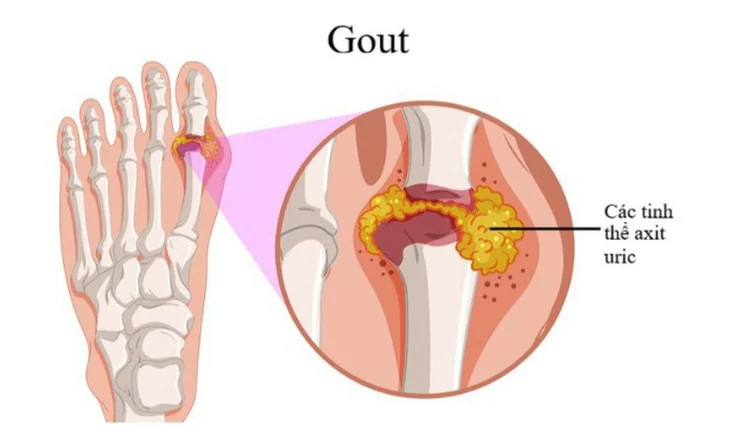
Gout is a form of arthritis that occurs when uric acid in the blood stays high for a long time, forming urate (monosodium urate) crystals that settle in the joints. It used to be associated mainly with middle-aged men and older people, so many young people aged 20-30 with joint pain assume it comes from sports or a knock and overlook the possibility of gout. If your children or grandchildren often complain of sudden joint pain, this is worth keeping in mind.
Why young people get gout
- Diet: regularly eating a lot of purine-rich foods (organ meats, seafood, certain meats) and drinking a lot of alcohol or drinks sweetened with fructose can raise uric acid and trigger gout attacks in people at risk.
- Weight: being overweight or obese often goes along with metabolic disorders that raise blood uric acid.
- Related conditions: diabetes, high blood pressure, chronic kidney disease and metabolic syndrome are linked to high uric acid; some medicines can also raise uric acid.
- Genes: the kidneys' ability to clear urate is influenced by genes, so some young people still get gout even though they eat few purines and do not drink alcohol.
It is also important to understand that eating meat or seafood, or drinking a particular drink, does not mean you will definitely get gout. The risk depends on your overall diet, weight, metabolism, kidney function and family factors.
What an acute gout attack looks like
The pain usually comes on suddenly, often at night. The joint becomes swollen, hot and red, and so painful that even a light touch or the weight of a blanket is uncomfortable. The big toe is most often affected, but attacks can also occur in the knee, ankle, foot, elbow or wrist.
An acute attack may subside on its own after a few days, so the person may think the disease is gone. But if urate is not controlled, the pain will return more and more often. Over time, urate crystals build up into tophi and damage the joints; some people also develop urate stones and kidney damage. Treating only the pain while ignoring long-term control allows the disease to progress.
High uric acid does not always mean gout
High blood uric acid and gout are not exactly the same thing. Some people have high uric acid but have never had an attack; on the other hand, gout is not diagnosed from a single blood test. When a swollen, painful joint suggests gout, the diagnosis is based on symptoms, examination and medical history, possibly with laboratory tests and imaging; in some cases urate crystals need to be found in the joint fluid to confirm it.
Young people should not buy medicine and take it for long periods on their own before being diagnosed. Treatment needs to be tailored to each person, depending on how severe the disease is, whether other conditions are present and the risk of complications.
Preventing and controlling gout
- Keep a healthy weight, stay active and avoid sitting in one place for too long.
- Eat a varied diet with plenty of vegetables, fiber, whole grains and suitable protein sources; cut down on alcohol, sugary drinks, organ meats and very purine-rich dishes.
- Drink enough water for your body's needs, especially if you are prone to urinary stones; there is no need to force yourself to a rigid amount.
- People diagnosed with gout should take medicine as prescribed and not stop when the pain is gone, because gout needs long-term control.
- Do not use products of unknown origin advertised to "flush out uric acid", as some can harm the kidneys or liver or interact with other medicines.
Trusted clinic for gout in young adults in Ho Chi Minh City
For nearly 20 years, Ky Hoa Medical Center has cared for the health of people in Ho Chi Minh City, bringing together highly qualified doctors who are attentive at every visit. When gout in young adults needs checking, our Internal Medicine doctors take time to listen, examine carefully and explain clearly so that you fully understand your condition, then agree together on a treatment and follow-up plan.
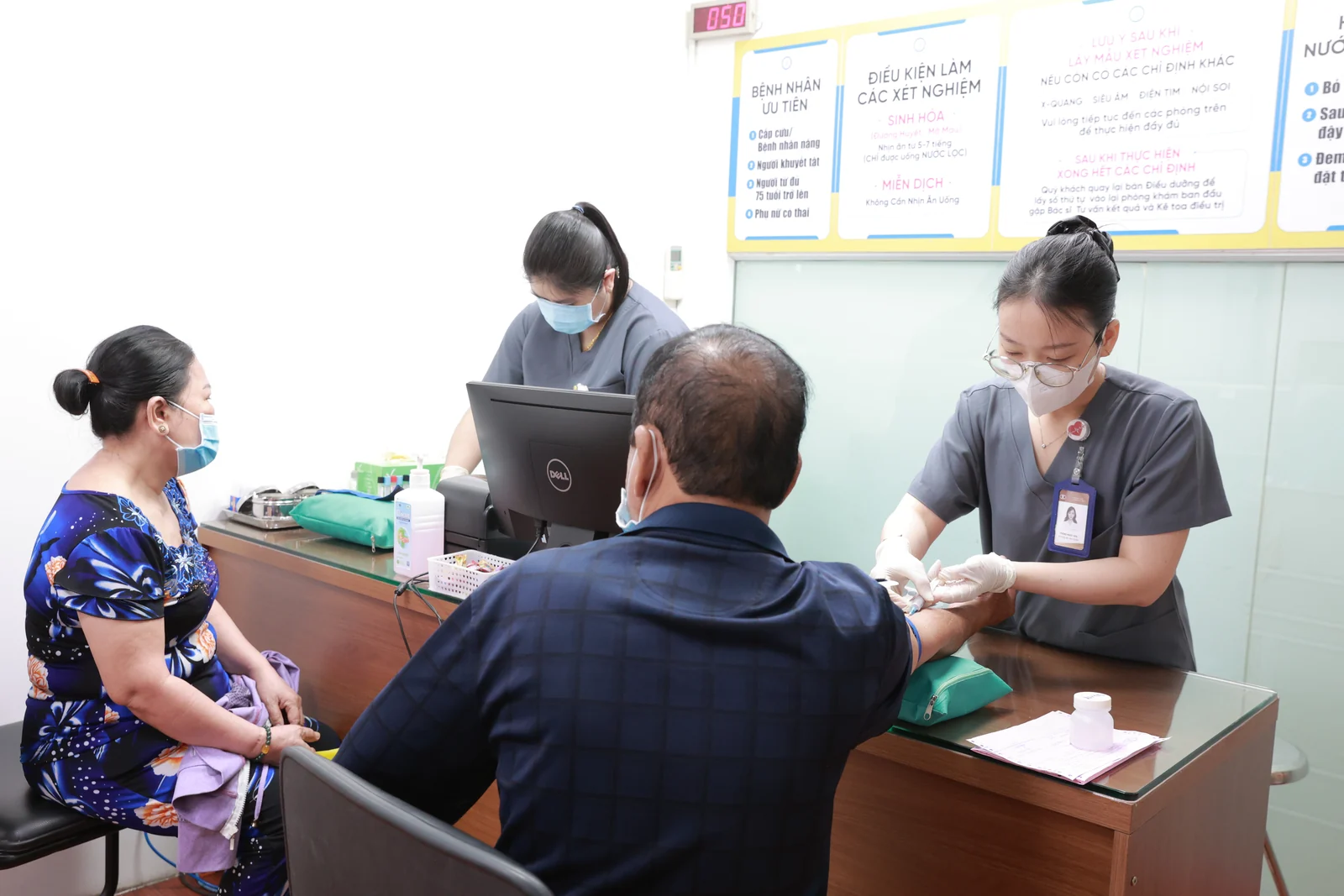
Laboratory tests is performed on site, so you can complete check-ups in one place, which makes follow-up visits easier.
The center operates under Operating License No. 00449/HCM-GPHĐ, with a list of medical techniques approved by the Ho Chi Minh City Department of Health (Decision 471/QĐ-SYT), and is a primary care facility contracted with Ho Chi Minh City Social Security, accepting health insurance (BHYT) visits on Saturdays as well. The practising certificates of our 24 doctors are published on our Doctors page.
When you have an acute bout of joint pain, with a severely painful, swollen, hot and red joint, you can come to Ky Hoa Medical Center for an Internal Medicine consultation: simply walk in during opening hours and take a queue number. The doctor will examine you and order suitable laboratory tests or an X-ray to find the real cause.
Ky Hoa Medical Center
Address: 266A - 268 3 Thang 2 Street, Hoa Hung Ward, Ho Chi Minh City
Opening hours: Monday to Saturday, 6:30 - 11:30 and 13:00 - 17:00 (closed on Sunday)
Hotline: 028.3868.1097
Source: Suc Khoe & Doi Song (Health & Life) newspaper