

Blood uric acid can rise silently for years before causing a gout attack. A simple blood test plus a review of risk factors helps detect it early.
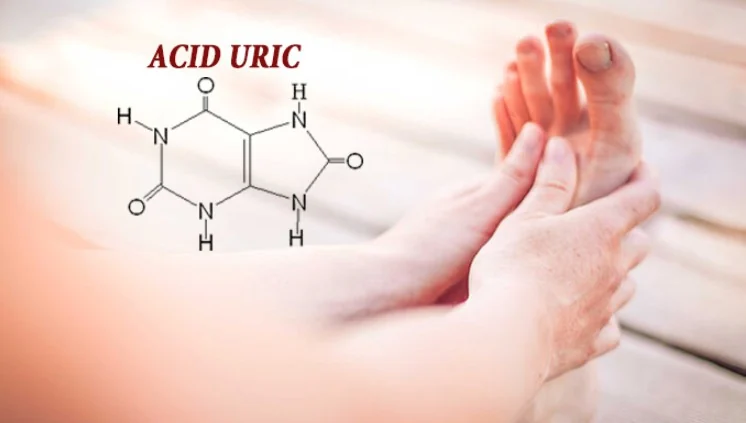
Uric acid is a waste product formed when the body breaks down purines. Most of it is filtered out by the kidneys, and some is removed through the intestines. When the body makes too much or the kidneys cannot clear it fast enough, uric acid builds up in the blood.
High uric acid does not necessarily mean gout, but it raises the chance of urate crystals forming. Over time, these crystals can cause acute gout attacks and joint damage, and in some people kidney stones or tophi (hard lumps of urate). Because many people have no symptoms, do not wait until your joints hurt to get checked.
Which symptoms deserve attention
- A typical gout attack: a joint becomes intensely painful, swollen, hot and red, most often the joint where the big toe meets the foot, though other joints can be affected too.
- Neck stiffness, tired thighs or calves, or cramps are not specific signs of high uric acid, so they should not be used to diagnose yourself.
- Itching, rashes and skin allergies are not typical signs either.
- Hard lumps under the skin around the joints, on the rim of the ear or elsewhere may be tophi from long-standing urate deposits. Anyone who has had gout or high uric acid and notices such hard nodules should see a doctor.
Alcohol, weight and exercise
Drinking a lot of alcohol raises the risk of high uric acid and gout attacks, because alcohol both pushes the body to produce more uric acid and makes the kidneys clear it less well, while beer also contains purines. People with high uric acid or a history of gout should limit alcohol or give it up entirely, as advised by their doctor.
Being overweight, obese or inactive is also linked to high uric acid. In many populations, a BMI above 25 kg/m² counts as overweight, but this number does not tell you whether a person's uric acid is high. Regular exercise helps maintain weight and improves metabolism and heart health. Choose activities that suit your age, health and existing conditions; beginners should build up gradually and avoid overexertion and dehydration, especially in hot weather.
Eat sensibly, no need for strict avoidance
Eating a lot of purine-rich foods such as some red meats, organ meats and seafood, along with alcohol and drinks sweetened with fructose, can raise the risk of high uric acid and gout. However, eating meat, fish or chicken does not mean you will definitely get the disease. What you should do is:
- Balance your portions and keep meat and purine-rich foods in check.
- Drink enough water and cut down on sugary drinks and alcohol.
- Add green vegetables and suitable fruits to your meals.
Family history and related conditions
Genes affect how the body produces and removes urate. Anyone with a close blood relative who has gout is at higher risk. If, in addition, you are overweight, have kidney disease, high blood pressure, a blood lipid disorder or diabetes, or often drink alcohol, ask your doctor whether you need regular uric acid tests, along with an assessment of your metabolic health.
A blood test is the way to know for sure
You cannot tell whether your uric acid is high just by looking at symptoms or counting risk factors; the simple way is a blood test. The result needs to be read by a doctor in the context of your overall health, taking into account weight, blood pressure, kidney function, diet, current medicines and metabolic conditions.
Having high uric acid without ever having had a gout attack does not necessarily mean you need medication, while people who already have gout may need treatment to bring blood urate down to target, depending on each case. Do not buy medicines or products advertised to lower uric acid on your own as a substitute for treatment, as their effectiveness and safety are unclear, and some can even harm the kidneys or interact with other medicines.
Trusted clinic for high uric acid in Ho Chi Minh City
With nearly 20 years of experience and a team of highly qualified doctors, Ky Hoa Medical Center is a familiar choice for many families in Ho Chi Minh City when they need care for high uric acid. Here, our Internal Medicine doctors take time to listen, examine carefully and explain clearly so that you fully understand your condition, then agree together on a treatment and follow-up plan.
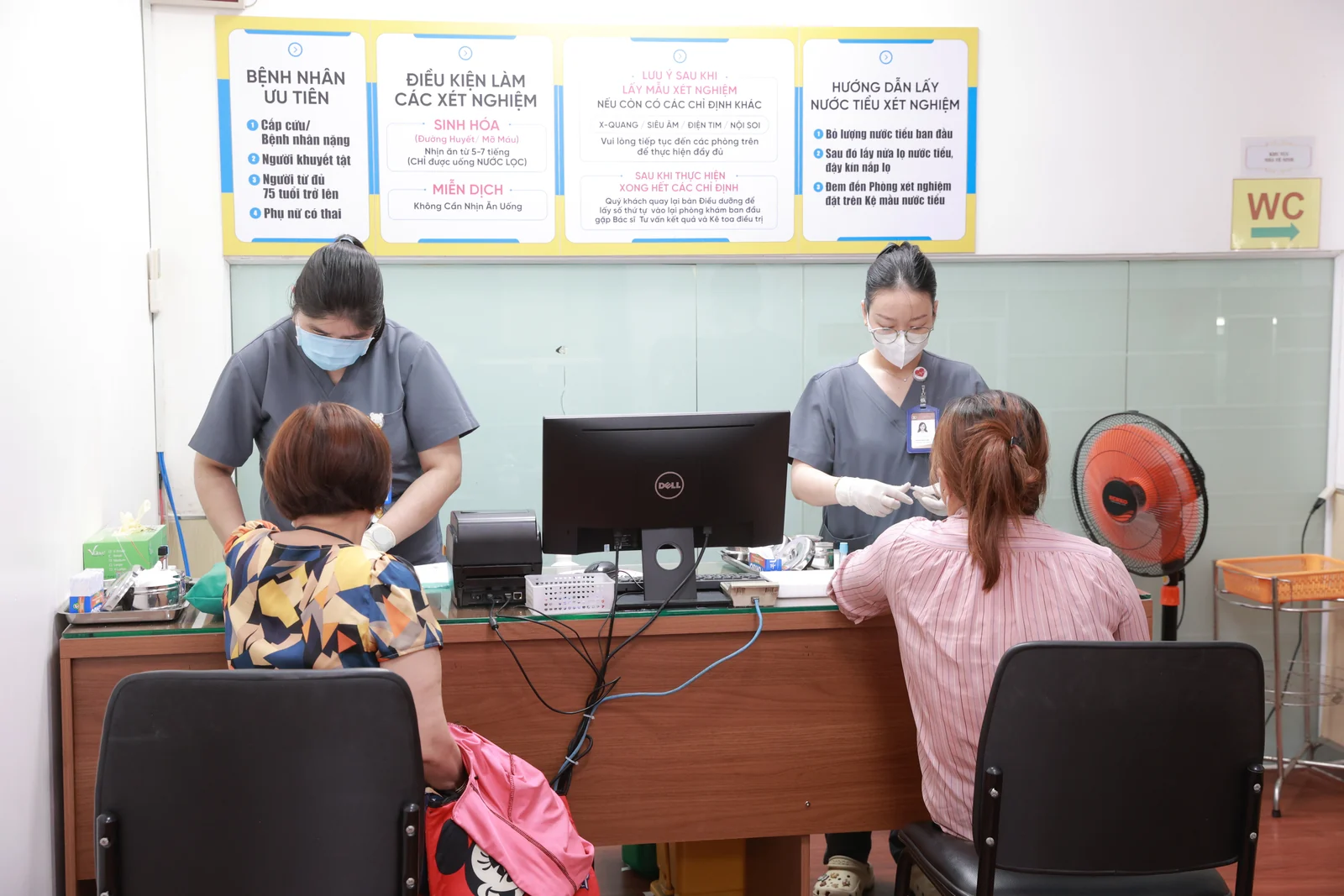
Laboratory tests is performed on site, so you can complete check-ups in one place, which makes follow-up visits easier.
The center operates under Operating License No. 00449/HCM-GPHĐ, with a list of medical techniques approved by the Ho Chi Minh City Department of Health (Decision 471/QĐ-SYT), and is a primary care facility contracted with Ho Chi Minh City Social Security, accepting health insurance (BHYT) visits on Saturdays as well. The practising certificates of our 24 doctors are published on our Doctors page.
If you are in a risk group or have had joint pain that may be gout, you can come to Ky Hoa Medical Center for an Internal Medicine consultation: simply walk in during opening hours and take a queue number. The doctor will order suitable laboratory tests and advise on how to manage it.
Ky Hoa Medical Center
Address: 266A - 268 3 Thang 2 Street, Hoa Hung Ward, Ho Chi Minh City
Opening hours: Monday to Saturday, 6:30 - 11:30 and 13:00 - 17:00 (closed on Sunday)
Hotline: 028.3868.1097
Source: Suc Khoe & Doi Song (Health & Life) newspaper