

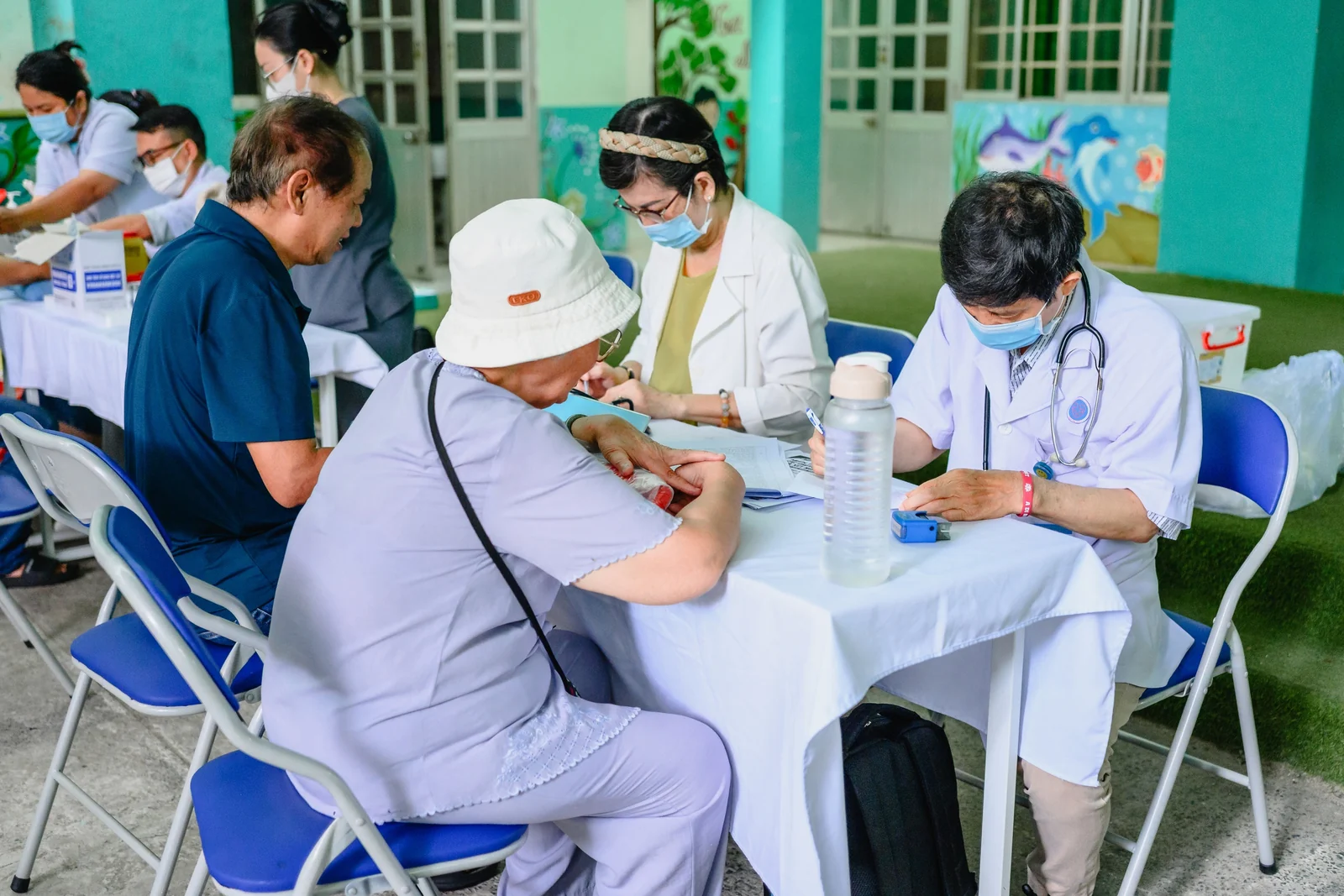
Hives are itchy and uncomfortable but mostly not dangerous. If they come with swollen lips or tongue or trouble breathing, emergency care is needed right away.
Recognizing hives
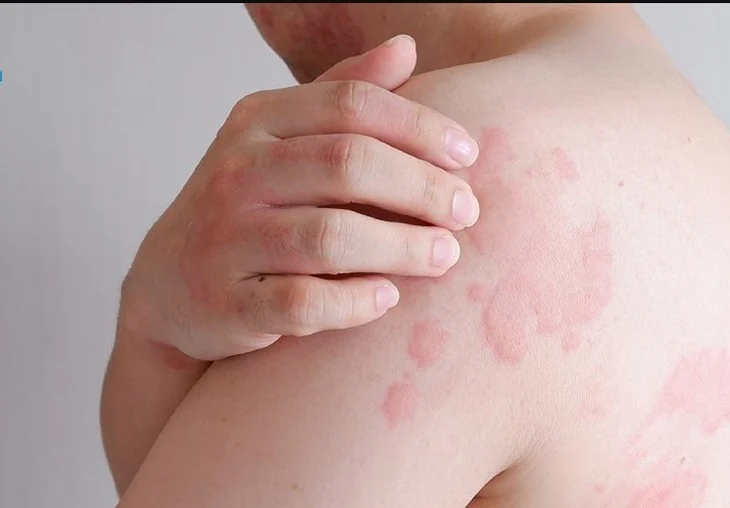
Hives (urticaria) are a skin reaction with raised, swollen bumps or welts on the skin that are usually very itchy and may appear in one spot or spread to many areas. The welts come up suddenly, change shape, size and location very quickly, then fade within a few minutes to a few hours without leaving a mark, unless the skin has been scratched.
If an episode of hives lasts 6 weeks or less, it is called acute hives. Hives lasting more than 6 weeks are chronic and can keep coming back for many months or even longer.
Some people also develop angioedema, which is swelling in the deeper tissue under the skin or the mucous membranes, often seen on the face, lips, tongue, eyelids or genitals. Angioedema usually feels tight, painful or burning rather than itchy.
Possible triggers of hives
Hives can be set off by many different things, and in quite a few cases, especially chronic hives, no specific cause can be found. For acute hives, commonly mentioned triggers include:
- Food: shrimp, crab, fish and seafood in general, eggs, milk, peanuts, nuts or other foods. Even so, not everyone with hives is allergic to these foods.
- Medicines: some medicines can cause hives or allergic reactions, so when you have symptoms, tell your doctor which medicines you are taking.
- Insects: venom or secretions from bees, ants and many other insects.
- Environment: dust, pollen, mold, pet hair or substances that touch the skin in sensitive people.
- Infections: especially viral infections, which are common in children.
Some types of hives flare up because of physical triggers such as heat, cold, sunlight, water, rubbing, pressure on the skin or strenuous exercise. Stress can make symptoms more noticeable in some people, but it is only one of many factors. Some other medical conditions can also cause hives or look like hives, so if the problem lasts a long time, keeps coming back or has unusual features, see a doctor to find the cause.
When hives need urgent care
Although most cases are not dangerous, persistent itching that keeps coming back can still cause sleepless nights and disrupt daily life. Scratching a lot can also break the skin and make infection more likely.
The thing to watch especially closely is angioedema occurring at the same time. When swelling affects the lips, tongue, throat or airway, the person may become hoarse, have trouble swallowing, feel like they are choking or have difficulty breathing.
Sometimes hives are part of anaphylaxis, a severe allergic reaction that develops very quickly. Call an ambulance and get the person to a medical facility right away if, along with the allergy, they also have:
- Difficulty breathing, wheezing, or bluish lips or skin.
- Lips or tongue that swell up quickly.
- Dizziness, drowsiness or a drop in blood pressure.
- Vomiting, diarrhea or severe stomach pain.
What to do when you have hives
- Stay away from any suspected trigger if you already know what it is.
- Try not to scratch hard.
- Do not take several medicines at once on your own, and do not keep taking medicine for a long time without advice.
- If you need medicine to relieve the symptoms, ask a doctor or pharmacist, especially for children, pregnant women, older people and people taking other medicines.
People with chronic or recurring hives should see a specialist to identify the triggers and get suitable treatment.
Trusted clinic for hives (urticaria) in Ho Chi Minh City
For nearly 20 years, Ky Hoa Medical Center has cared for the health of people in Ho Chi Minh City, bringing together highly qualified doctors who are attentive at every visit. When hives (urticaria) needs checking, our Dermatology doctors take time to listen, examine carefully and explain clearly so that you fully understand your condition, then agree together on a treatment and follow-up plan.
The center operates under Operating License No. 00449/HCM-GPHĐ, with a list of medical techniques approved by the Ho Chi Minh City Department of Health (Decision 471/QĐ-SYT), and is a primary care facility contracted with Ho Chi Minh City Social Security, accepting health insurance (BHYT) visits on Saturdays as well. The practising certificates of our 24 doctors are published on our Doctors page.
If you have long-lasting hives, simply walk in during opening hours and take a queue number at Ky Hoa Medical Center, where a Dermatology doctor will examine you and give advice. However, if you have difficulty breathing, swelling of the lips or tongue, or feel faint, call emergency services or go to the nearest medical facility right away.
Ky Hoa Medical Center
Address: 266A - 268 3 Thang 2 Street, Hoa Hung Ward, Ho Chi Minh City
Opening hours: Monday to Saturday, 6:30 - 11:30 and 13:00 - 17:00 (closed on Sunday)
Hotline: 028.3868.1097
Source: Suc Khoe & Doi Song (Health & Life) newspaper