

Almost all cervical cancer cases are linked to persistent HPV infection. HPV vaccination at school age helps children build immunity before they face the risk.
HPV is the human papillomavirus. Besides cervical cancer, it is also linked to genital warts and several cancers of the anal, genital, and head and neck areas. In other words, HPV vaccination is a way of preventing cancer, not simply of preventing one type of virus.
Why vaccinate while children are still in school
HPV is mainly spread through sexual contact, so the risk of infection rises once a person becomes sexually active. The vaccine is most effective when the body has never encountered the virus. The World Health Organization (WHO) gives priority to girls aged 9 to 14, so they can be vaccinated before they might be exposed.
Vaccinating your child while they are in school therefore does not imply anything about their sexual activity; it simply builds immunity ahead of the risk.
Current HPV vaccines protect against high-risk types, most notably types 16 and 18. Worldwide, about 76% of cervical cancer cases are linked to these two types. The 9-type vaccine additionally protects against 5 other types: 31, 33, 45, 52 and 58.
How the benefits have been proven
The vaccine's benefits are not limited to clinical trials; they have also been clearly seen through many years of real-world vaccination in the community.
According to WHO, there is moderate-certainty evidence that vaccinating adolescent girls helps prevent cervical cancer as they grow up. Countries with strong HPV vaccination programs have recorded a marked drop in infections with high-risk types, as well as fewer precancerous lesions. In some countries, infection rates with types 16/18 in vaccinated age groups have fallen by about 90%.
One important point: the vaccine cannot cure an existing HPV infection. That is why vaccinating early, before exposure, brings greater benefit.
Is the HPV vaccine safe
This is what worries many parents most. After many years of monitoring the data, WHO has concluded that the HPV vaccine has a very good safety record.
- Common: pain, redness and swelling at the injection site; the child may have a headache or feel tired. These effects are mild and pass quickly.
- Children going through puberty sometimes feel dizzy or faint after the injection, so let them sit or lie down and watch them for a while.
- Anaphylaxis is extremely rare, estimated by WHO at about 1.7 cases per million doses.
- To date, large-scale monitoring systems have not found any new safety signal significant enough to change the recommendations.
In addition, the vaccine does not contain live HPV that could cause infection, so it cannot give a child an HPV infection or cause cancer.
Boys need protection too
HPV causes disease in both sexes. Besides genital warts, the virus can also cause cancers of the throat, anus and penis. When vaccinated before they face the risk, boys also gain clear benefits: protecting themselves, helping reduce the amount of virus circulating in the community, and indirectly protecting their future partners.
WHO recommends prioritizing girls aged 9-14 to prevent cervical cancer, while vaccinating boys is a worthwhile preventive option depending on each country's immunization policy and resources. The message should therefore be broader: HPV vaccination protects both daughters and sons against the diseases and cancers linked to this virus.
Trusted clinic for pediatric and gynecological care in Ho Chi Minh City
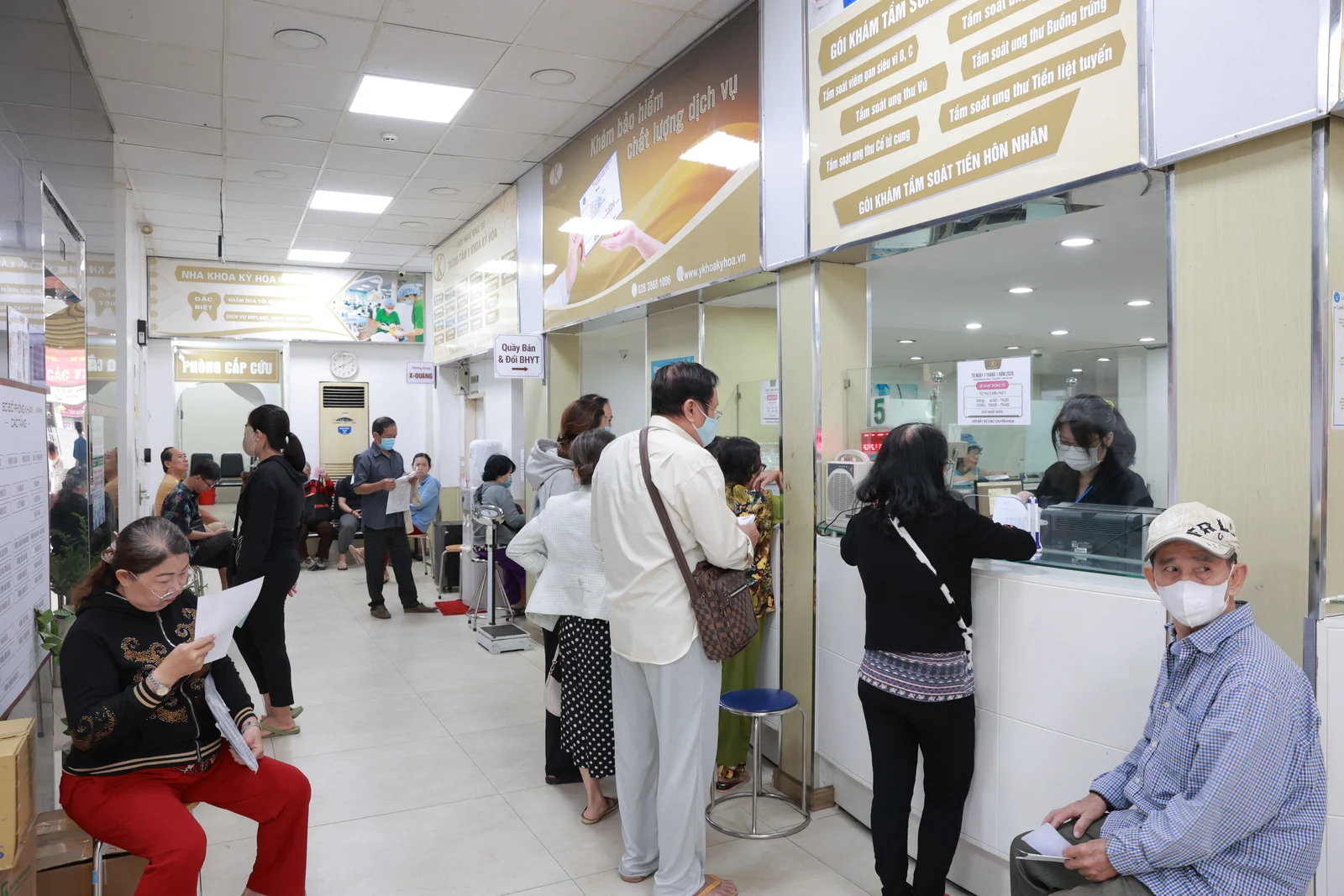
Ky Hoa Medical Center has nearly 20 years of experience in medical care in Ho Chi Minh City, with a team of highly qualified doctors and a careful, transparent way of working. For pediatric and gynecological care, our Pediatrics and Obstetrics & Gynecology specialists take time to listen, examine carefully and explain clearly so that you fully understand your condition, then agree together on a treatment and follow-up plan.
The center operates under Operating License No. 00449/HCM-GPHĐ, with a list of medical techniques approved by the Ho Chi Minh City Department of Health (Decision 471/QĐ-SYT), and is a primary care facility contracted with Ho Chi Minh City Social Security, accepting health insurance (BHYT) visits on Saturdays as well. The practising certificates of our 24 doctors are published on our Doctors page.
Concerns about side effects should be viewed in the light of evidence from hundreds of millions of doses given and many years of monitoring. Parents can ask a vaccination facility for advice on the right vaccines for their child. If you would like to discuss your child's health or gynecological health further, simply walk in during opening hours and take a queue number at Ky Hoa Medical Center to see a doctor in Pediatrics or Obstetrics & Gynecology.
Ky Hoa Medical Center
Address: 266A - 268 3 Thang 2 Street, Hoa Hung Ward, Ho Chi Minh City
Opening hours: Monday to Saturday, 6:30 - 11:30 and 13:00 - 17:00 (closed on Sunday)
Hotline: 028.3868.1097
Source: Suc Khoe & Doi Song (Health & Life) newspaper