
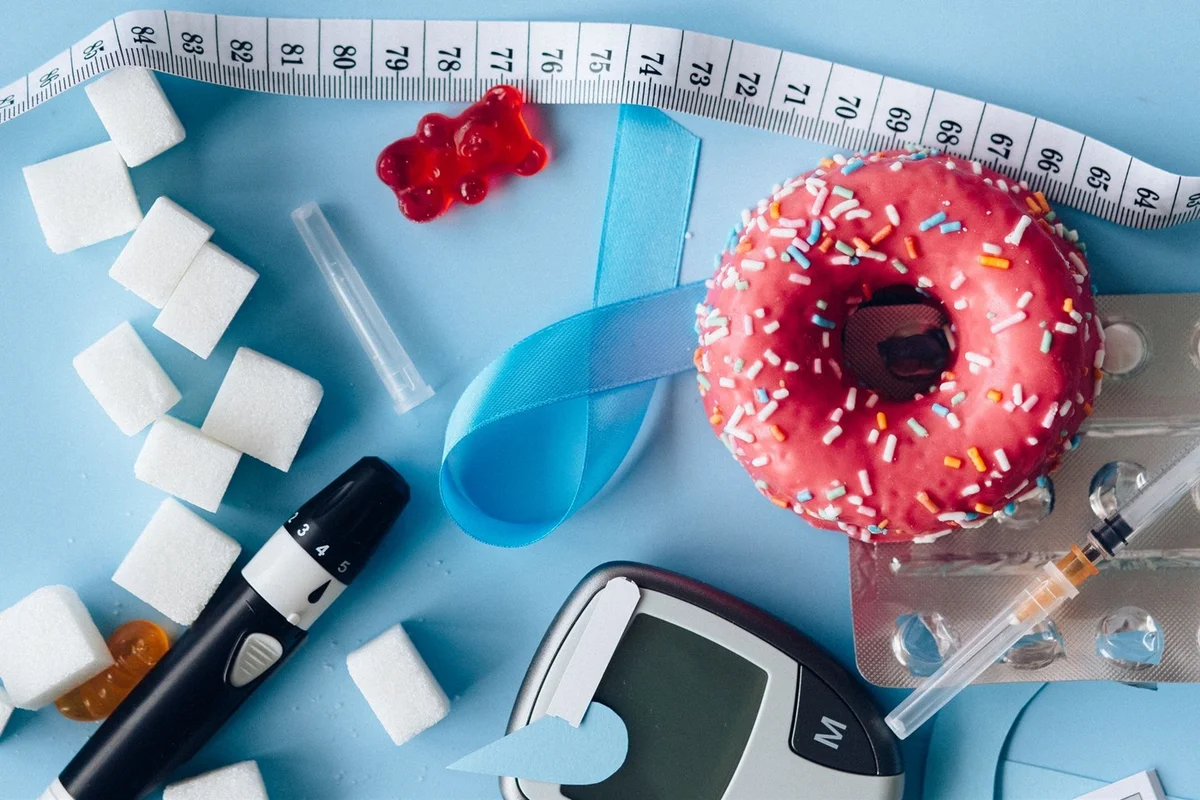
Hypoglycemia is an acute complication that can occur in people being treated for diabetes; if not managed in time, it can cause fainting or seizures. This article helps patients and their families recognize it early and respond correctly.
What is hypoglycemia?
Hypoglycemia is when blood sugar drops too low, usually below 3.9 mmol/l (70 mg/dl). The brain is an organ that needs sugar to function, so when sugar is lacking, symptoms appear quickly.
Why do people with diabetes get hypoglycemia?
- Taking diabetes medication or injections in excess or at the wrong time.
- Skipping meals, eating late, or eating less than usual after having taken medication.
- Exercising more than usual without eating extra.
- Drinking alcohol, especially on an empty stomach.
- Older adults, people with kidney or liver disease.
Signs to recognize
- Shaking hands, sweating, palpitations, rapid heartbeat.
- Ravenous hunger, dizziness, headache.
- Weakness in the limbs, extreme fatigue, pale skin.
- Anxiety, irritability, stuttering, blurred vision.
- More severe: confusion, abnormal behavior, seizures, fainting, coma.
- At night: nightmares, heavy sweating, waking up with a headache.
Older adults and people who have had diabetes for a long time may not have clear warning signs.
Quick response using the 15 - 15 rule
- If you have a meter, check blood sugar right away.
- If the patient is conscious, give them about 15 g of fast-acting sugar to eat or drink: half a glass of fruit juice or soft drink, 1 tablespoon of sugar or honey mixed with water, 3 to 4 pieces of candy.
- Rest and recheck after 15 minutes; if it is still low or symptoms persist, repeat once more.
- Once stabilized, have a starchy snack such as bread or rice if the next meal is not due yet.
- The patient is drowsy, having seizures, or unconscious: do not pour water or food into the mouth as choking may occur; place them on their side and call emergency services 115 immediately.
Preventing hypoglycemia
- Eat at regular times, do not skip meals; take medication at the right dose and time.
- Always carry candy or sachets of sugar when going out.
- Have a snack before exercising; check blood sugar before and after exercise if instructed to do so.
- Limit alcohol, do not drink on an empty stomach.
- Let family members and colleagues know that you have diabetes and how to respond.
If you often get hypoglycemia, you should see a doctor so your treatment can be adjusted; do not reduce or stop medication on your own. You can come in for a visit during opening hours at Ky Hoa Medical Center, 266A - 268 3 Thang 2 Street, Hoa Hung Ward, Ho Chi Minh City. Hotline 028.3868.1097, Zalo 082.299.3377.