

Sleeping little and waking often are seen as natural in older people. But lasting insomnia affects memory, mood and health, and its cause should be checked.
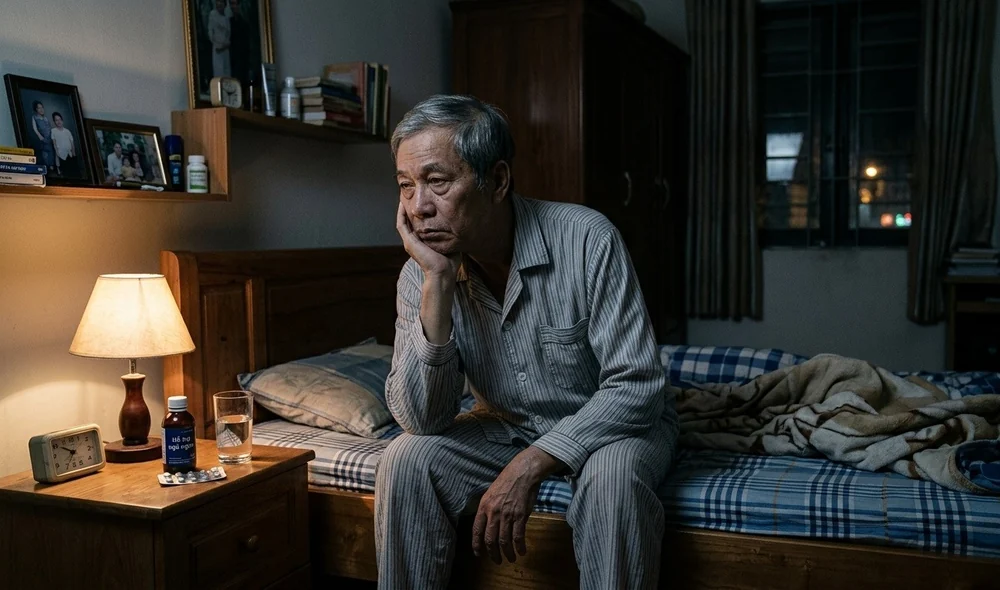
With age, deep sleep becomes shorter, and people tend to wake in the middle of the night or very early and cannot get back to sleep. That is true, but if this goes on for a long time, leaving grandparents tired and forgetful or affecting their daytime activities, it may be a disorder that needs a doctor's assessment. Do not be quick to assume that "everyone is like this when they get old".
Common sleep disorders
- Insomnia: difficulty falling asleep, waking several times during the night, waking too early, or lying in bed for a long time yet still feeling short of sleep. During the day the person feels tired, less alert and often sleepy.
- Obstructive sleep apnea: loud snoring, pauses in breathing, gasping or waking with a start because of difficulty breathing; morning headaches and heavy daytime sleepiness. Left undetected for a long time, sleep apnea may be linked to high blood pressure and raise the risk of stroke and heart disease.
- Restless legs syndrome: numbness, restlessness and a crawling discomfort in the legs, especially when lying down in the evening, with an urge to move the legs for relief, making it hard to sleep.
- Neurological diseases such as Parkinson's, Alzheimer's or dementia: these disrupt the sleep-wake cycle, so the person sleeps a lot during the day but is awake at night.
Why insomnia is common in old age
- Biological changes with age: the body clock shifts, deep sleep decreases and the release of melatonin (the hormone that regulates the sleep-wake cycle) also changes.
- Chronic diseases (heart failure, COPD, osteoarthritis, diabetes, high blood pressure...) cause pain, breathlessness and night-time urination that break up sleep.
- Some medicines taken for other conditions can cause sleeplessness, or increase night-time urination if taken at the wrong time. Do not stop medicines on your own; ask your doctor.
- Psychological factors: grief over losing loved ones, loneliness, worries about money or illness, as well as anxiety or depression.
How long-term lack of sleep affects health
Not getting enough sleep over a long period causes older people to lose memory and concentration, react more slowly, and fall more easily due to drowsiness or dizziness. Poor sleep also affects mood, blood pressure and heart health, makes depression and anxiety more likely, and has been linked to cognitive decline. If insomnia comes with loud snoring, pauses in breathing or excessive daytime sleepiness, see a doctor to be checked for sleep apnea.
Helping grandparents sleep better
- Go to bed and get up at roughly fixed times; limit long daytime naps, especially late in the afternoon.
- Be active during the day with gentle health exercises, tai chi, walking or light workouts; avoid vigorous exercise close to bedtime.
- Cut down on tobacco, energy drinks, strong tea and coffee, especially from the afternoon onward.
- Keep the bedroom quiet, softly lit and at a comfortable temperature; put away phones and computers before bedtime.
- Keep underlying conditions well controlled and ask the doctor to review current medicines if you suspect they are affecting sleep.
- Do not take sleep aids of unknown origin on your own.
When to see a doctor
Take grandparents to see a doctor when insomnia lasts a long time, they sleep only about 4 to 5 hours every night, are excessively sleepy during the day, snore loudly or show signs of pauses in breathing during sleep. A clear decline in memory, mood changes, or anxiety or low mood alongside insomnia are also reasons to see a doctor.
Trusted clinic for insomnia in older adults in Ho Chi Minh City
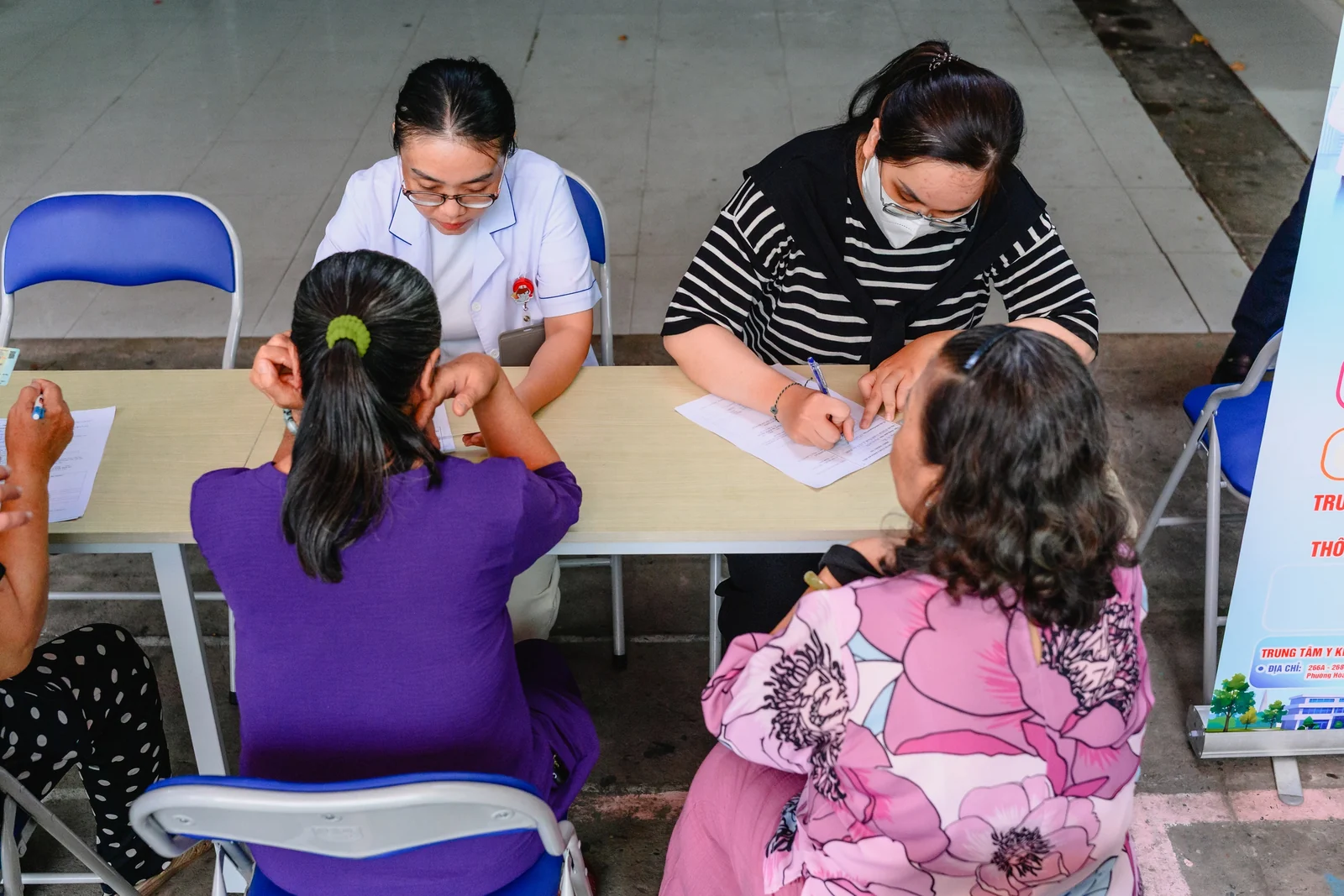
For nearly 20 years, Ky Hoa Medical Center has cared for the health of people in Ho Chi Minh City, bringing together highly qualified doctors who are attentive at every visit. When insomnia in older adults needs checking, our Internal Medicine doctors take time to listen, examine carefully and explain clearly so that you fully understand your condition, then agree together on a treatment and follow-up plan.
The center operates under Operating License No. 00449/HCM-GPHĐ, with a list of medical techniques approved by the Ho Chi Minh City Department of Health (Decision 471/QĐ-SYT), and is a primary care facility contracted with Ho Chi Minh City Social Security, accepting health insurance (BHYT) visits on Saturdays as well. The practising certificates of our 24 doctors are published on our Doctors page.
You can bring your loved one to Ky Hoa Medical Center for an Internal Medicine consultation so the doctor can look for the cause and review their underlying conditions and current medications: simply walk in during opening hours and take a queue number. For loud snoring, the ENT (Ear, Nose & Throat) department can also help with the assessment.
Ky Hoa Medical Center
Address: 266A - 268 3 Thang 2 Street, Hoa Hung Ward, Ho Chi Minh City
Opening hours: Monday to Saturday, 6:30 - 11:30 and 13:00 - 17:00 (closed on Sunday)
Hotline: 028.3868.1097
Source: Suc Khoe & Doi Song (Health & Life) newspaper