

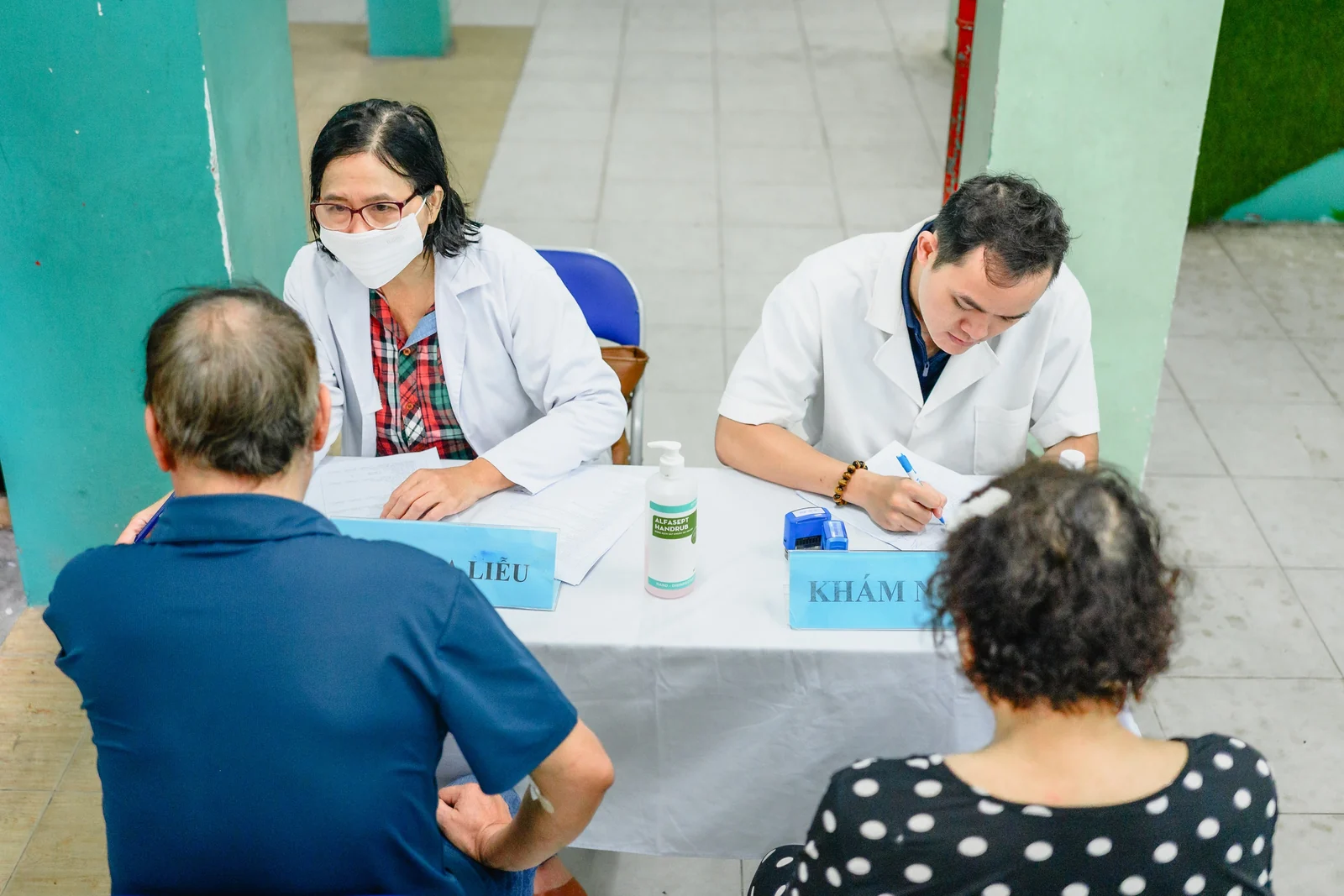
Seborrheic dermatitis makes skin red, itchy and flaky, but it is not infectious and does not spread to others. It often recurs, so it needs long-term care.
The condition often appears on the scalp, face and chest, where the oil glands are most active. Many people who see their skin turning red and flaky worry about passing it to their children or grandchildren and hesitate to be close to family members. In reality, there is no need for that.
Why seborrheic dermatitis is not contagious
This is a common type of skin inflammation linked to the oil glands, the microorganisms living on the skin and the way the body reacts to them. Malassezia yeast, which is naturally present on many people's skin, is also involved in the disease process. It is therefore not an infection passed from one person to another, and there is no need to isolate yourself or avoid contact with your family.
Although it is not contagious, the condition tends to come back, so it needs long-term monitoring and care. Severe itching makes people scratch hard and break the skin, opening a way for bacteria to get in and cause further infection. Long-lasting redness and flaking also affect appearance and quality of life. The condition usually does not leave permanent scars, but hard scratching, infection or severe inflammation can damage the skin and leave changes in skin color after the inflammation in some people.
Factors linked to the condition
The exact cause is still unclear, and several factors may contribute together:
- Skin oil and yeast: changes in the makeup of skin oil, together with an inflammatory reaction to Malassezia yeast in areas with many oil glands.
- Hormones: the oil glands respond to hormones, so the condition may be more noticeable at certain stages of life.
- Predisposition: some people are more prone to it, or have relatives who have had a similar condition.
- Stress and environment: stress, lack of sleep, and cold or dry weather can trigger flare-ups; shampoos and cosmetics that do not suit you can also cause extra irritation.
People with weakened immunity or certain other illnesses may have it more often. Even so, having seborrheic dermatitis does not mean you have a hidden immune disease.
Signs in young children and adults
In young children, the condition is common in the first few months after birth and is popularly known as cradle cap. The baby's scalp has white or yellow scaly patches that sometimes spread to the face, behind the ears or into skin folds. Most cases in children are harmless and may gradually improve over time. Parents should not pick at or forcefully peel off the scales, as this can easily damage the baby's scalp.
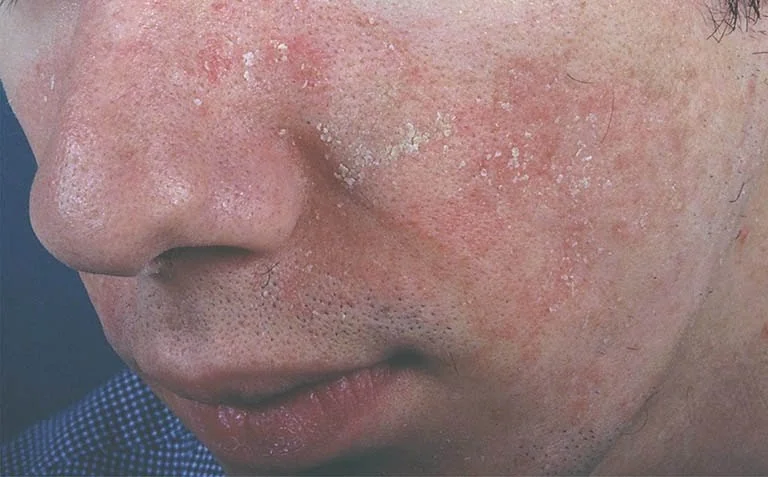
In adults, the condition often appears on the scalp, eyebrows, the sides of the nose, behind the ears, the chest and other areas with many oil glands. The skin is red and oily, with white or yellow flakes, and it itches. Severity varies from person to person: some only have mild dandruff, while others have red inflammation and persistent itching.
Care to reduce flare-ups
- Wash your skin and hair gently, without rubbing or scratching hard.
- Be cautious with products advertised as "natural" when their ingredients are unclear, as they can still contain irritants.
- For the scalp, a doctor may recommend a special medicated shampoo when appropriate. Use it exactly as instructed and do not keep using it on your own for a long time.
- Eat a balanced diet with plenty of fruit, green vegetables and whole grains, along with sensible sources of protein. No diet can fully prevent the condition, so there is no need to cut out spicy or fatty foods completely if they do not make your condition worse.
- Get enough sleep, exercise regularly and keep a relaxed state of mind.
Do not use creams or oral medicines on your own without a doctor's guidance.
Trusted clinic for seborrheic dermatitis in Ho Chi Minh City
For nearly 20 years, Ky Hoa Medical Center has cared for the health of people in Ho Chi Minh City, bringing together highly qualified doctors who are attentive at every visit. When seborrheic dermatitis needs checking, our Dermatology doctors take time to listen, examine carefully and explain clearly so that you fully understand your condition, then agree together on a treatment and follow-up plan.
The center operates under Operating License No. 00449/HCM-GPHĐ, with a list of medical techniques approved by the Ho Chi Minh City Department of Health (Decision 471/QĐ-SYT), and is a primary care facility contracted with Ho Chi Minh City Social Security, accepting health insurance (BHYT) visits on Saturdays as well. The practising certificates of our 24 doctors are published on our Doctors page.
When skin on the scalp or face stays damaged for a long time, keeps flaring up, oozes, itches a lot, forms thick scales or does not improve with ordinary care, simply walk in during opening hours and take a queue number at Ky Hoa Medical Center to be examined by a Dermatology doctor. For young children, parents can have them seen in Pediatrics or Dermatology at the Center.
Ky Hoa Medical Center
Address: 266A - 268 3 Thang 2 Street, Hoa Hung Ward, Ho Chi Minh City
Opening hours: Monday to Saturday, 6:30 - 11:30 and 13:00 - 17:00 (closed on Sunday)
Hotline: 028.3868.1097
Source: Suc Khoe & Doi Song (Health & Life) newspaper