

Persistent indigestion makes older people eat poorly and miss out on nutrients. The wrong care can worsen symptoms or cause families to miss a hidden illness.
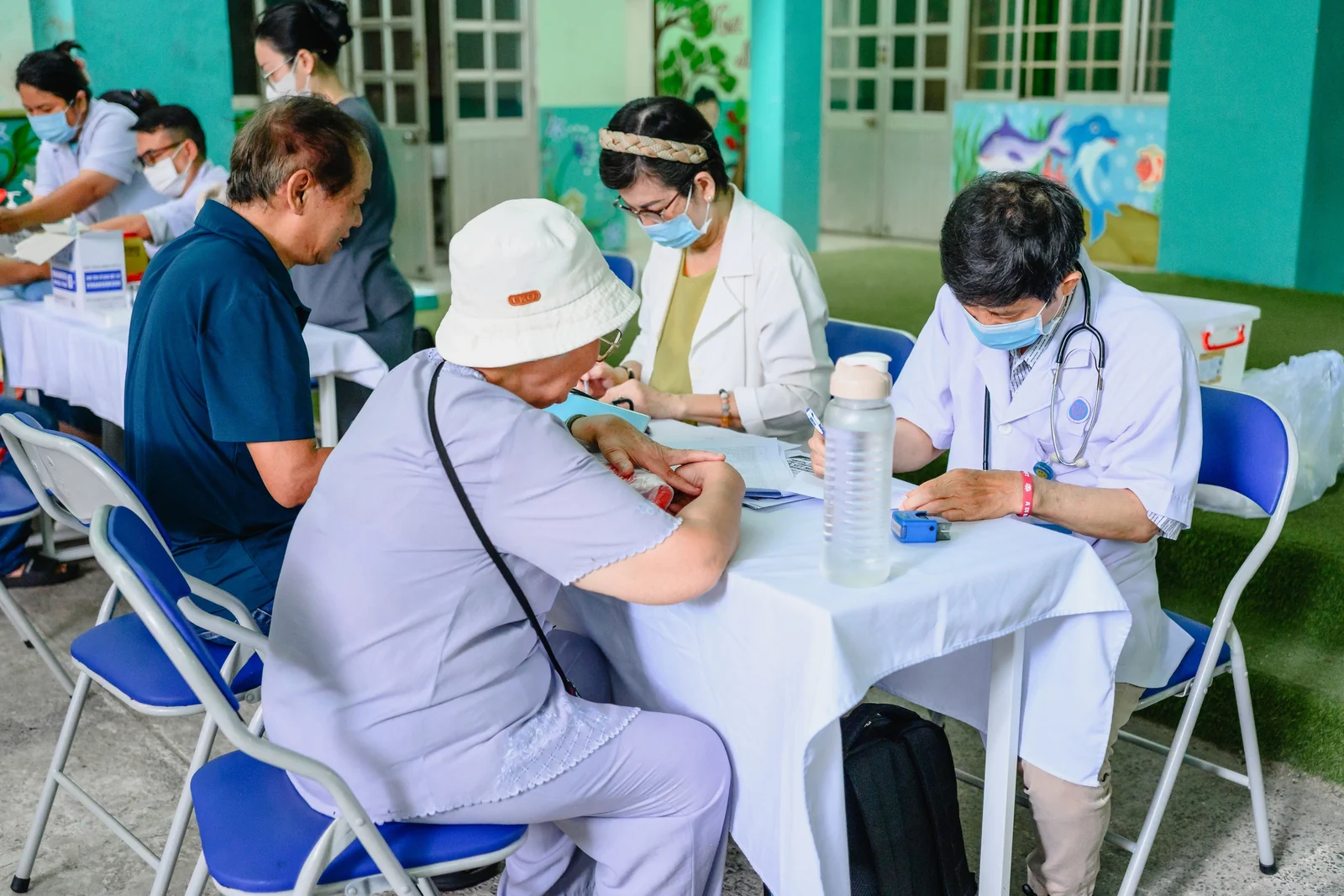
Indigestion is fairly common in old age. It may come from a digestive system that weakens with age, eating habits, side effects of current medicines or diseases of the digestive tract. So when a grandparent has indigestion that persists or keeps coming back, take them to a doctor to find the cause rather than managing it at home.
Five common mistakes
Buying medicine for grandparents on your own. When an older person has a stomach ache, bloating or heartburn, many families go to the pharmacy and buy medicine for them without asking a doctor. The wrong medicine can easily cause side effects, interact with medicines for other conditions, and even mask the signs of a serious illness, delaying the diagnosis.
Giving only rice porridge and milk. Thin rice porridge and milk are often seen as easy to digest. But eating porridge for a long time does not provide enough energy, protein, vitamins and minerals. Milk can also cause bloating in some people, especially those who are lactose intolerant. Meals should be varied and suited to the person's digestion and other conditions.
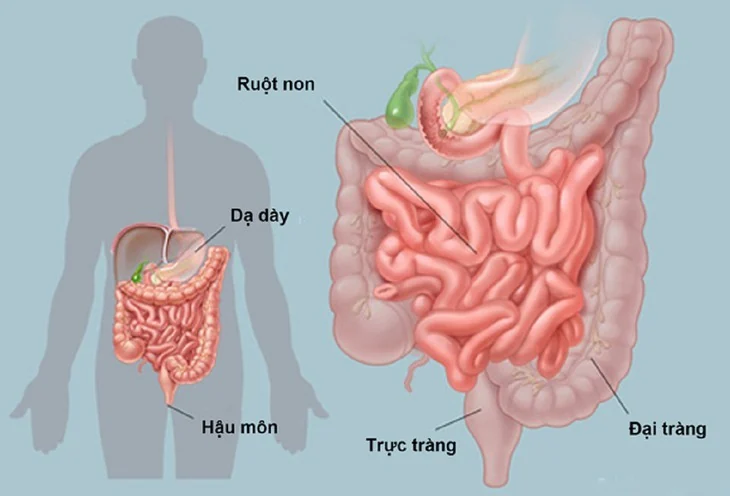
Pushing them to eat a lot. Worried that grandparents are losing weight, children and grandchildren often press them to eat. Eating too much at once overloads the stomach, making bloating, early fullness and discomfort worse. It is better to split food into several small meals a day, choose nutritious but easy-to-digest dishes and notice which foods suit the person.
Assuming indigestion is just part of old age. Indigestion, loss of appetite and weight loss should not be seen as normal. Especially when symptoms are new in an older person, they may be a sign of stomach and duodenal disease or another digestive condition.
Giving laxatives regularly on your own. Older people with indigestion often also have constipation, but using laxatives regularly without medical advice can easily lead to dehydration, diarrhea and electrolyte imbalance, and can make the person dependent on them.
Signs that mean a visit to the doctor
- Unexplained weight loss.
- Prolonged vomiting, vomiting blood or passing black stools.
- Difficulty swallowing or persistent abdominal pain.
- Anemia or rapidly declining health.
How to eat for easier digestion
- Protein: lean meat, skinless chicken and duck, fish, eggs, tofu and dairy products if tolerated; prefer steaming, boiling and soft cooking, and limit frying.
- Fats: use vegetable oil in moderation and cut down on animal fat, skin, organ meats and deep-fried dishes.
- Vegetables and fruit: choose vegetables cooked until very soft, such as carrots, pumpkin, katuk (sweet leaf), Malabar spinach and potatoes, and soft ripe fruits such as papaya, bananas, pears and apples, depending on what the person can eat. Those who can still chew and swallow well do not need everything pureed.
- How to eat: eat slowly, chew well, split food into several small meals and avoid overeating. Drink enough fluids for your needs; people with heart or kidney disease or who need to limit fluids should follow their doctor's advice.
Foods to limit
Depending on the person, some foods can make indigestion worse:
- Fried food, fast food and greasy dishes.
- Very spicy dishes with chili, pepper or mustard.
- Alcohol, coffee, strong tea and fizzy drinks.
- Pickled foods, if they cause discomfort or do not suit other conditions.
- Some types of beans that produce gas, if the person is sensitive.
There is no single restricted menu for all older people. Meals should be based on the cause of indigestion, underlying conditions, nutritional status and each person's digestive capacity, avoiding excessive restrictions.
Trusted clinic for persistent indigestion in Ho Chi Minh City
With nearly 20 years of experience and a team of highly qualified doctors, Ky Hoa Medical Center is a familiar choice for many families in Ho Chi Minh City when they need care for persistent indigestion. Here, our Internal Medicine doctors take time to listen, examine carefully and explain clearly so that you fully understand your condition, then agree together on a treatment and follow-up plan.
Ultrasound and endoscopy are performed on site, so you can complete check-ups in one place, which makes follow-up visits easier.
The center operates under Operating License No. 00449/HCM-GPHĐ, with a list of medical techniques approved by the Ho Chi Minh City Department of Health (Decision 471/QĐ-SYT), and is a primary care facility contracted with Ho Chi Minh City Social Security, accepting health insurance (BHYT) visits on Saturdays as well. The practising certificates of our 24 doctors are published on our Doctors page.
When your grandparents have long-lasting indigestion or unusual signs, you can bring them to Ky Hoa Medical Center for an Internal Medicine consultation: simply walk in during opening hours and take a queue number. When needed, the doctor will order a digestive endoscopy or suitable laboratory tests to find the cause.
Ky Hoa Medical Center
Address: 266A - 268 3 Thang 2 Street, Hoa Hung Ward, Ho Chi Minh City
Opening hours: Monday to Saturday, 6:30 - 11:30 and 13:00 - 17:00 (closed on Sunday)
Hotline: 028.3868.1097
Source: Suc Khoe & Doi Song (Health & Life) newspaper