

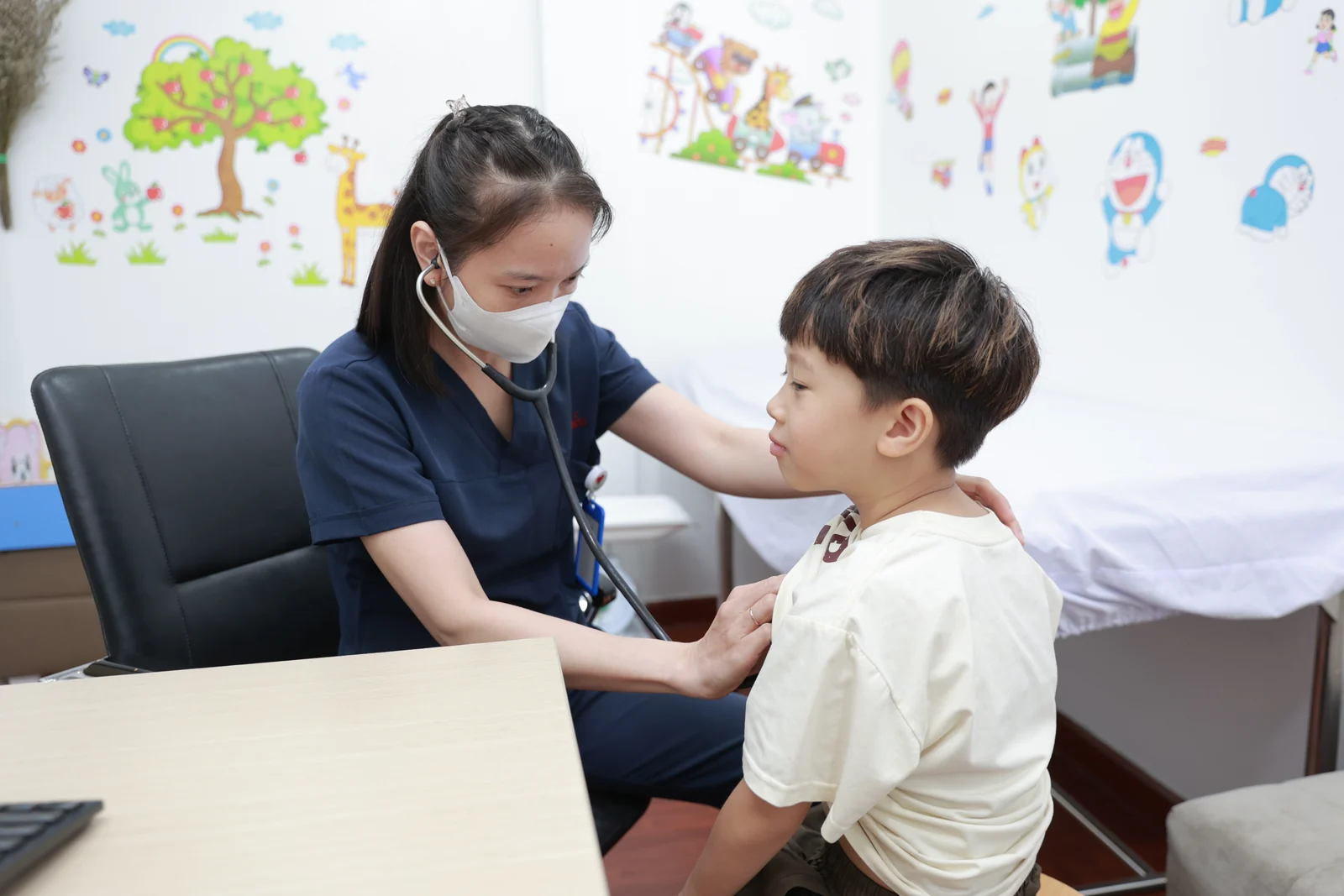
Pneumonia is common in children under 5. Knowing how to count breaths and spot serious signs helps parents get their child seen in time and limit complications.
Pneumonia is an infection of the lower respiratory tract and is very common in young children. It can be mild, but it can also get worse quickly if it is found and treated late. So parents should know the early signs so they do not miss the right time to take their child to a doctor.
How pneumonia happens
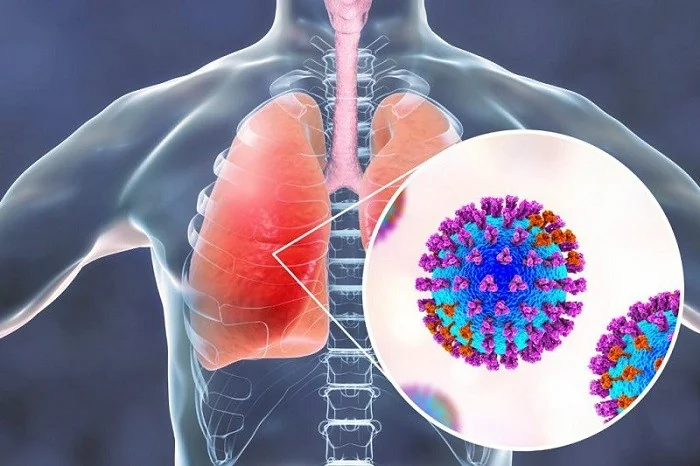
When viruses, bacteria or certain other agents get into the lung tissue, the lungs become inflamed. The air sacs (alveoli), which should be full of air, fill up with inflammatory fluid instead, making it harder for oxygen to be exchanged.
The most common causes are viruses and bacteria. Viruses include flu, respiratory syncytial virus (RSV) and a few others; sometimes a viral infection comes first and a bacterial infection follows, making the illness worse. Among bacteria, pneumococcus is one of the most frequently mentioned causes. The cause also varies with the child's age, immunity and any underlying conditions.
Anyone can get pneumonia, but it tends to become more serious in children under 5, especially newborns, premature babies, and children who are malnourished or have underlying conditions. When it first starts, it is easily mistaken for a cold, flu or an ordinary viral infection. The younger the child, the harder it is to recognize: newborns sometimes do not cough noticeably but simply stop feeding, breathe fast, have trouble breathing, become very drowsy or have an abnormal body temperature.
Which children are more at risk
- Born prematurely, low birth weight, malnourished, weak immunity.
- Has a chronic condition such as asthma, lung disease or a congenital heart defect.
- Often breathes in cigarette smoke or lives with polluted air.
- Lives in a cramped, poorly ventilated home.
- Is often near people who have a respiratory illness.
Counting your child's breaths
Fast breathing is a useful sign for suspecting pneumonia in children. Parents should count while the child is lying still, not crying, not feeding or eating, and if possible when the child does not have a fever. Use a clock to count how many times the child's chest or belly rises over one full minute. By the thresholds commonly used for assessment, a child is considered to be breathing fast when:
- Under 2 months old: 60 breaths a minute or more.
- From 2 months to under 12 months: 50 breaths a minute or more.
- From 12 months to 5 years: 40 breaths a minute or more.
If your child is breathing unusually fast, take them to a doctor rather than concluding it is pneumonia based on this number alone. Along with fast breathing, the child may cough, have a fever, wheeze, be tired, or feed or eat poorly; some children also have chest pain, stomach pain, vomiting or diarrhea.
Signs of serious illness
Parents need to pay special attention to chest indrawing: each time the child breathes in, the lower part of the chest sinks inward instead of expanding. In addition, take your child to a doctor right away if you notice:
- Harsh breathing sounds, wheezing, clearly labored breathing.
- Bluish lips, fingertips or toes.
- Very drowsy, hard to wake, much slower to respond, seizures.
- Refusing to feed, unable to eat or drink, vomiting a lot.
- A fever with the child becoming more and more tired and weak.
Preventing pneumonia in children
In young children, pneumonia can become serious quickly. When your child has a cough and fever along with fast breathing, difficulty breathing or poor feeding, do not take it lightly. To help prevent it:
- Make sure your child gets all recommended vaccinations, especially vaccines against agents that cause serious respiratory illness.
- Give your child a nutritious diet suited to their age.
- Keep hands clean and limit your child's contact with sick people.
- Never let your child breathe in cigarette smoke.
Trusted clinic for pneumonia in children in Ho Chi Minh City
With nearly 20 years of experience and a team of highly qualified doctors, Ky Hoa Medical Center is a familiar choice for many families in Ho Chi Minh City when they need care for pneumonia in children. Here, our Pediatrics doctors take time to listen, examine carefully and explain clearly so that you fully understand your child's condition, then agree together on a care and follow-up plan.
Digital X-ray and laboratory tests are performed on site, so you can complete check-ups in one place, which makes follow-up visits easier.
The center operates under Operating License No. 00449/HCM-GPHĐ, with a list of medical techniques approved by the Ho Chi Minh City Department of Health (Decision 471/QĐ-SYT), and is a primary care facility contracted with Ho Chi Minh City Social Security, accepting health insurance (BHYT) visits on Saturdays as well. The practising certificates of our 24 doctors are published on our Doctors page.
If your child has a cough and fever along with fast breathing, you can bring them to the Pediatrics department at Ky Hoa Medical Center; the doctor will examine them and order an X-ray or laboratory tests when needed. Simply walk in during opening hours and take a queue number; if your child has difficulty breathing, turns blue or is very drowsy, take them to the nearest medical facility right away.
Ky Hoa Medical Center
Address: 266A - 268 3 Thang 2 Street, Hoa Hung Ward, Ho Chi Minh City
Opening hours: Monday to Saturday, 6:30 - 11:30 and 13:00 - 17:00 (closed on Sunday)
Hotline: 028.3868.1097
Source: Suc Khoe & Doi Song (Health & Life) newspaper