

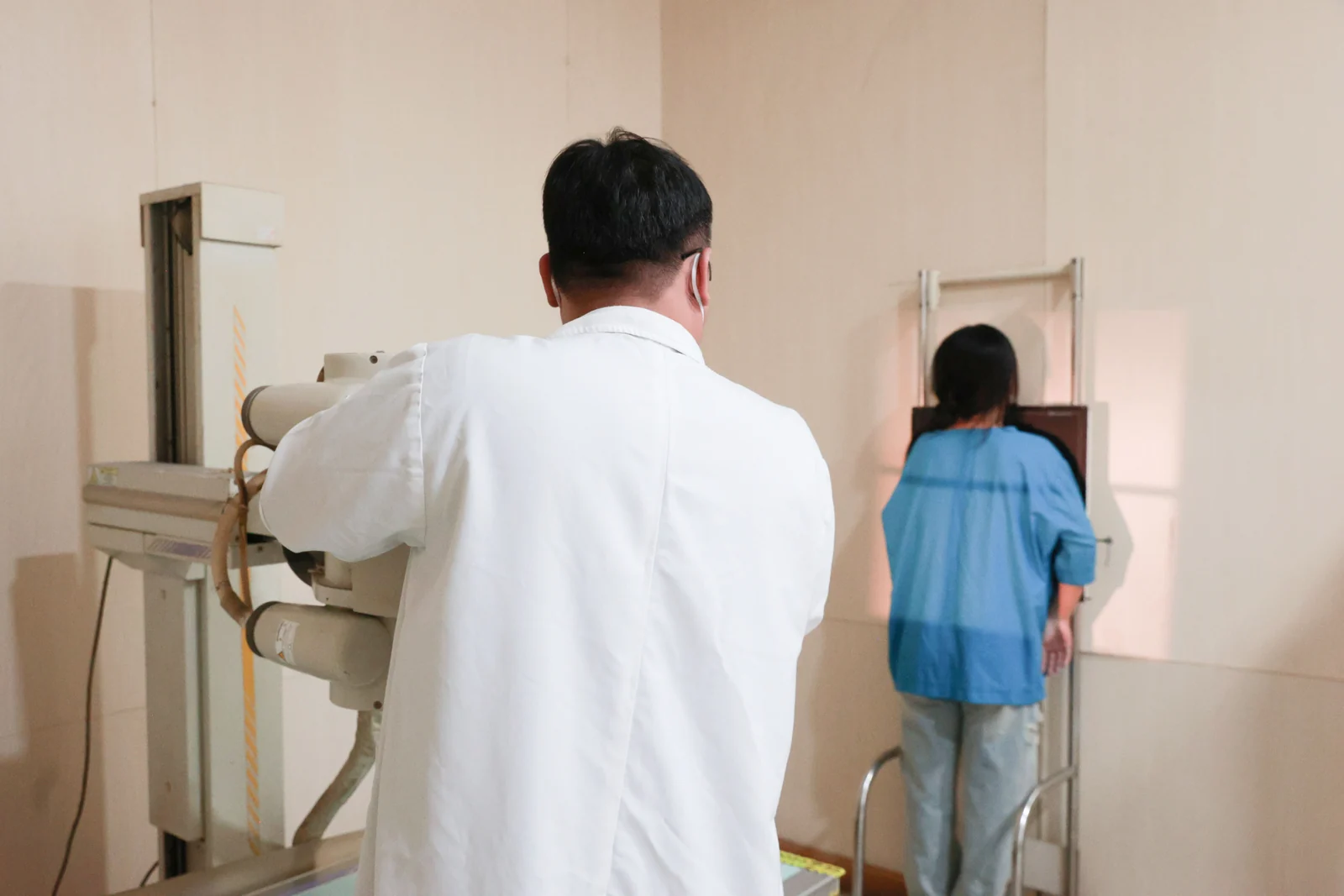
Osteoporosis progresses silently until a bone breaks. For women, good habits from age 40 help slow bone loss in the years before and after menopause.
Osteoporosis is a condition in which bones lose both mass and quality, becoming brittle, weak and easy to break. Age, hormones, nutrition, activity levels, underlying conditions and certain medicines all affect this process. Many people only find out they have osteoporosis during a health check-up or when tested for another condition. This article suggests things you can do early to protect your bones.
Why women lose bone easily at menopause
Bone is not static but is constantly renewed: bone-resorbing cells clear away old bone tissue, and bone-forming cells lay down new tissue. The hormone estrogen keeps these two processes in balance. As women enter perimenopause and menopause, estrogen falls and bone can be lost faster, most noticeably in the first few years after menopause, to a degree that varies from person to person.
In the early stage, osteoporosis causes almost no pain or particular signs. Some people only discover it when a bone breaks after a minor bump, or even during normal daily activities. That is why caring for your bones from middle age is well worth doing.
Exercise for strong bones and muscles
Weight-bearing and strength exercises are very important for bones. Activities such as dancing, climbing stairs, brisk walking or other sports within your ability put the necessary load on the skeleton. Resistance training strengthens muscles and improves balance, which means fewer falls.
Those who are not used to exercise or have bone and joint problems should choose a suitable level, build up gradually and avoid movements that can easily cause injury. Regular exercise also helps maintain weight and is good for heart health and metabolism.
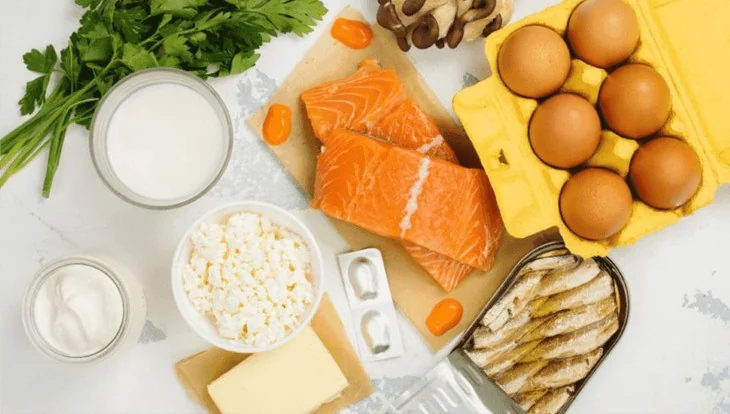
Get enough calcium, vitamin D and protein
- Calcium is the main component of bone tissue and is found in milk and dairy products, small fish eaten with their bones, tofu, some leafy green vegetables and calcium-fortified foods. Calcium needs vary by age and sex, so do not take large supplements on your own before being assessed.
- Vitamin D allows calcium to be absorbed and used well. The skin makes vitamin D when exposed to sunlight; it is also found in egg yolks, oily fish and vitamin D-fortified foods. Whether you need a supplement should depend on your diet, your risk of deficiency and your doctor's advice.
- Protein is needed for both muscle and bone and is found in lean meat, fish, eggs, milk, beans and pulses, soybeans and nuts.
Keep a moderate weight
Being overweight or obese harms bones and joints, but undereating, being too thin or losing weight quickly is also bad for bones. So women in their 40s should not follow overly strict diets just to lose weight. Keep a healthy weight and get enough protein, energy, vitamins and minerals. If you want to lose weight, do it gradually, combining exercise with balanced eating, and do not starve yourself or cut out whole food groups. Limiting alcohol and tobacco also helps keep bones strong.
People who already have osteoporosis or a high risk of fractures may need medication. The type depends on the severity of the disease, fracture risk, age and other conditions, so do not buy medicine on your own or take large doses of calcium and vitamin D for long periods by yourself.
Trusted clinic for osteoporosis in Ho Chi Minh City
Ky Hoa Medical Center has nearly 20 years of experience in medical care in Ho Chi Minh City, with a team of highly qualified doctors and a careful, transparent way of working. For osteoporosis, our Internal Medicine doctors take time to listen, examine carefully and explain clearly so that you fully understand your condition, then agree together on a treatment and follow-up plan.
Laboratory tests is performed on site, so you can complete check-ups in one place, which makes follow-up visits easier.
The center operates under Operating License No. 00449/HCM-GPHĐ, with a list of medical techniques approved by the Ho Chi Minh City Department of Health (Decision 471/QĐ-SYT), and is a primary care facility contracted with Ho Chi Minh City Social Security, accepting health insurance (BHYT) visits on Saturdays as well. The practising certificates of our 24 doctors are published on our Doctors page.
Middle-aged women who would like advice on bone health can come to Ky Hoa Medical Center to see a doctor in Internal Medicine or Obstetrics & Gynecology: simply walk in during opening hours and take a queue number. The doctor will assess your risk and order suitable laboratory tests and diagnostic imaging when needed.
Ky Hoa Medical Center
Address: 266A - 268 3 Thang 2 Street, Hoa Hung Ward, Ho Chi Minh City
Opening hours: Monday to Saturday, 6:30 - 11:30 and 13:00 - 17:00 (closed on Sunday)
Hotline: 028.3868.1097
Source: Suc Khoe & Doi Song (Health & Life) newspaper