

Sinusitis causes a blocked, runny nose, facial pressure, a reduced sense of smell and poor sleep. Knowing its risk factors helps prevent it and limit relapses.
Sinusitis affects both children and adults. It happens when the lining of the nose and the sinuses around it becomes inflamed and swollen, so mucus in the sinuses cannot drain. The cause may be a virus, bacteria, an allergy or various other factors.
Based on how long it lasts, the condition is divided into two forms: acute sinusitis usually lasts less than 4 weeks, while it is called chronic when the symptoms persist for 12 weeks or more.
Five factors that raise the risk
Erratic weather and polluted air. When the seasons change, swings between hot and cold, humid and dry can easily irritate the lining of the airways, especially in people prone to allergies. Smoke, dust, fine particles, cigarette smoke and chemicals in the air make the inflammation worse. People who work in places with a lot of dust, chemicals or allergens should use protective equipment and limit direct exposure.
Allergic rhinitis. This is a factor that often goes along with sinusitis. On contact with house dust, pollen, mold or pet hair, the nasal lining swells, produces a lot of mucus and causes congestion. Long-term nasal congestion makes it hard for the sinuses to get air and drain.
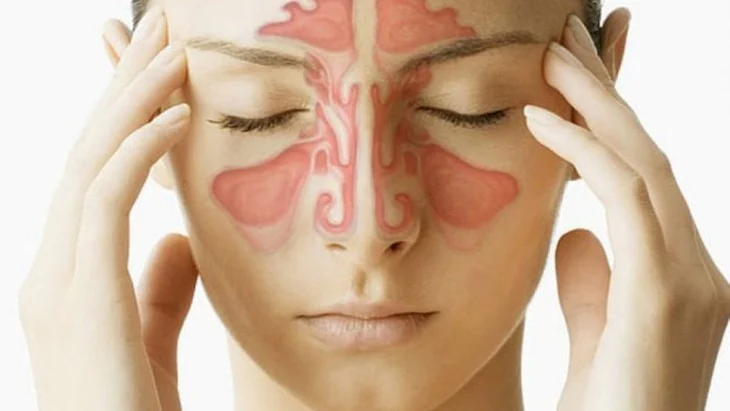
So anyone with allergic rhinitis should get it treated and under control, and stay away from the things that trigger their allergy.
Asthma and other respiratory conditions. Asthma often goes along with inflammatory conditions of the nose and throat, including sinusitis. People with asthma or allergic conditions should be monitored and treated regularly by a doctor. In addition, colds, flu and other viral infections can inflame the nasal lining, causing congestion and blocking the sinuses' drainage; some people develop sinusitis right after a cold.
Smoking. Cigarette smoke contains many irritants that damage the lining of the airways and weaken its ability to protect itself. Both smokers and people who often breathe in secondhand smoke are more prone to respiratory illness. Quitting smoking is therefore also a way to keep your nose and sinuses healthy.
Abnormal nose and sinus structure. A deviated septum, nasal polyps or other changes can block the sinuses' drainage, making inflammation more likely to drag on or keep coming back. If you have a long-term blocked nose, repeated sinusitis or treatment that never seems to help, see an ENT (Ear, Nose & Throat) doctor to find the cause.
How to prevent sinusitis
- Keep your nose and airways clean, wash your hands often, and wear a mask in crowded places or where there is dust, smoke or chemicals.
- When you have a cold or flu, rest, drink enough fluids and clean your nose properly as shown by a health worker.
- People with allergic rhinitis should find out what they are allergic to so they can avoid it, and keep related conditions such as asthma under control.
- Do not smoke, eat a balanced diet and exercise at a comfortable level.
- If your nose is blocked at night, you can raise your head slightly while sleeping. A warm compress on the face helps some people feel better, but do not make it too hot or leave it on too long; this only soothes and does not treat the cause.
- Do not use medicine on your own, including nasal sprays, without a doctor's advice. Overusing some nasal sprays can backfire and harm the nasal lining.
When to see a doctor
See a doctor when a blocked or runny nose, facial pain or pressure, or a reduced sense of smell lasts a long time, keeps coming back or gets steadily worse. Get checked early if you have a high fever for several days, a severe headache, red swelling around the eyes, double vision or worsening eyesight.
Trusted clinic for sinusitis in Ho Chi Minh City
For nearly 20 years, Ky Hoa Medical Center has cared for the health of people in Ho Chi Minh City, bringing together highly qualified doctors who are attentive at every visit. When sinusitis needs checking, our ENT doctors take time to listen, examine carefully and explain clearly so that you fully understand your condition, then agree together on a treatment and follow-up plan.
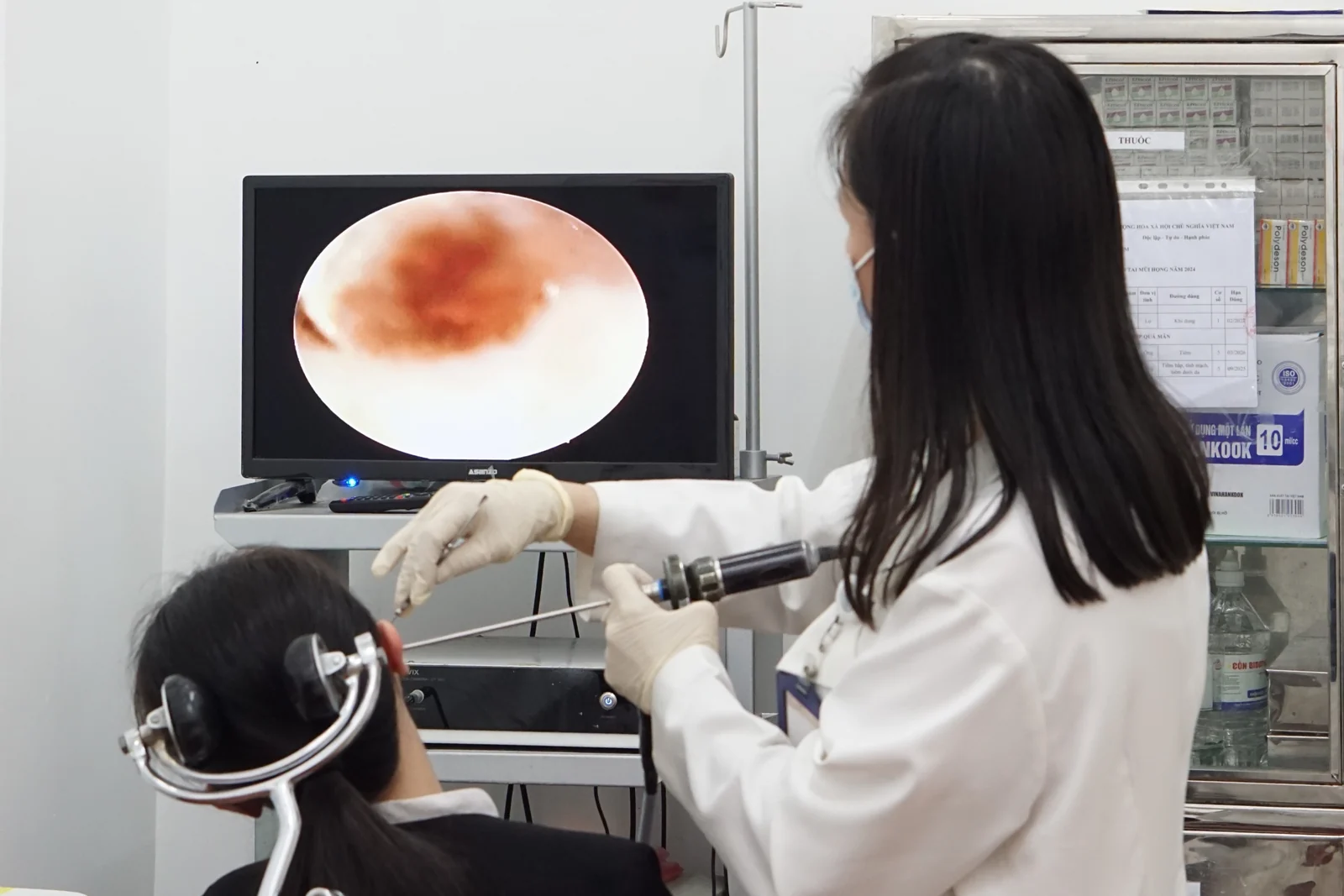
Endoscopy is performed on site, so you can complete check-ups in one place, which makes follow-up visits easier.
The center operates under Operating License No. 00449/HCM-GPHĐ, with a list of medical techniques approved by the Ho Chi Minh City Department of Health (Decision 471/QĐ-SYT), and is a primary care facility contracted with Ho Chi Minh City Social Security, accepting health insurance (BHYT) visits on Saturdays as well. The practising certificates of our 24 doctors are published on our Doctors page.
You can come to the ENT (Ear, Nose & Throat) department at Ky Hoa Medical Center, where a doctor will examine you, order suitable checks and advise on treatment and preventing relapses. Simply walk in during opening hours and take a queue number.
Ky Hoa Medical Center
Address: 266A - 268 3 Thang 2 Street, Hoa Hung Ward, Ho Chi Minh City
Opening hours: Monday to Saturday, 6:30 - 11:30 and 13:00 - 17:00 (closed on Sunday)
Hotline: 028.3868.1097
Source: Suc Khoe & Doi Song (Health & Life) newspaper