

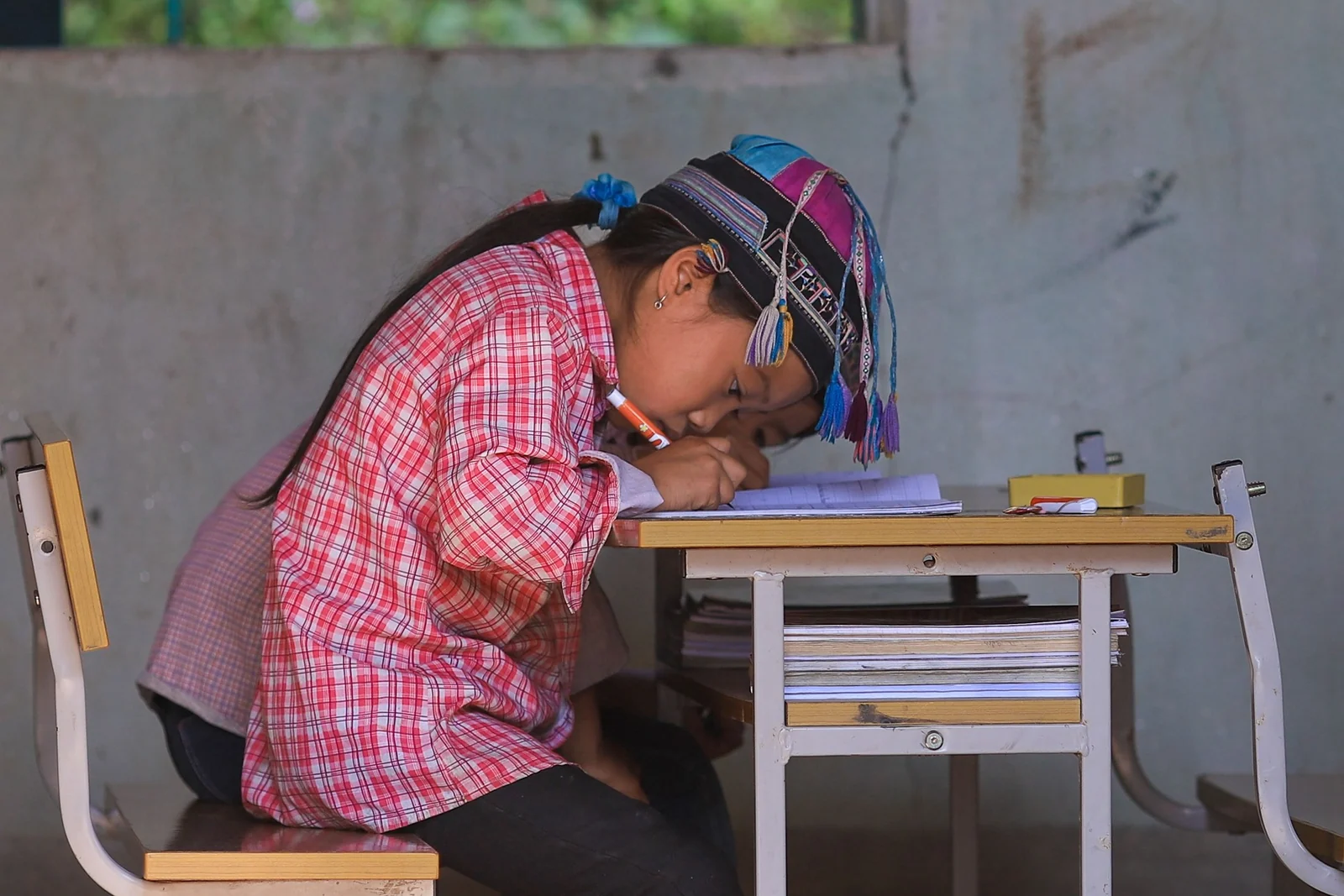
Scoliosis in school-age children should be caught early. Kids should stay active, but therapeutic exercises and treatment must follow a doctor's assessment.
Scoliosis is an abnormal sideways curve of the spine, often found during the years when children are going through growth spurts. The severity and cause differ from child to child, so the approach differs too. Sensible physical activity is very good for bones and joints, but parents should not have their child follow online exercises in the hope of "straightening" the spine, especially once the child has been diagnosed.
How physical activity helps
Regular exercise keeps children healthy, with firm muscles and flexible movement. Having a curved spine does not mean giving up sports, unless the doctor advises limits. However, it is important to tell apart two things:
- Ordinary physical activity such as walking, running, cycling, swimming or sports suited to the child's age. Children without symptoms or special restrictions can still take part, choosing activities based on their condition and the doctor's advice when needed.
- Therapeutic exercises specifically for scoliosis, designed around each child's type of curve. The aim is not only to strengthen muscles but also to help the child recognize and correct their own posture, control their trunk and keep good alignment in daily life; some programs also include breathing techniques. For a mild curve in a growing child, these exercises may be part of a non-surgical treatment plan; when a brace is needed, they may be done alongside it as prescribed.
Children who have been diagnosed should exercise under the guidance of someone trained in spinal physical therapy.
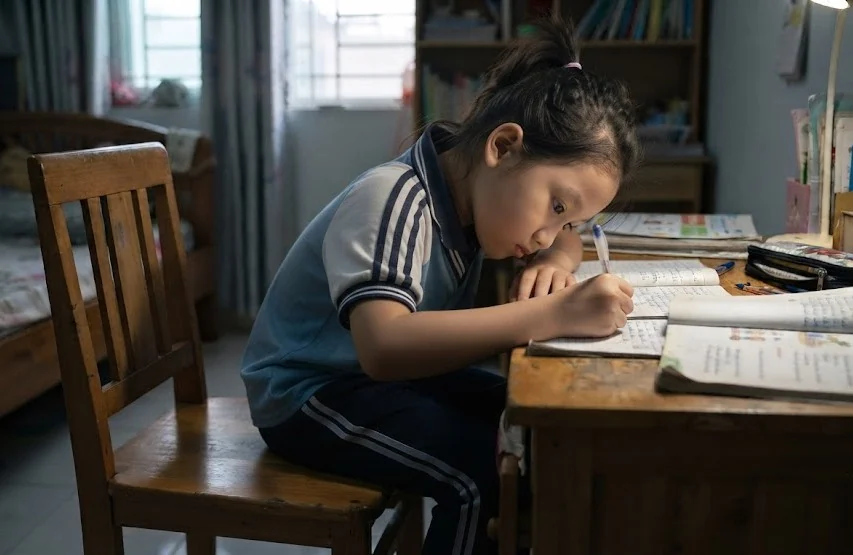
How a child with scoliosis should exercise
First, take your child to a doctor to find out whether it really is scoliosis and how severe the curve is. Doctors usually rely on an X-ray and measure the Cobb angle; in adolescents, a curve of more than 10 degrees along with matching features is used to make the diagnosis.
- If the curve is only mild and no special treatment is needed yet, the goal is to keep fit and stay normally active. Do not stop your child from playing sports out of fear that the spine will curve more.
- If specific exercises are prescribed, your child needs proper instruction based on their own curve: correcting the spine in three dimensions, holding the corrected posture and applying it in daily life.
- Do not assume more is better and add exercises or raise the intensity on your own. Exercises must suit your child's age, strength and spinal condition.
- Avoid strong twisting movements, overstretching or exercises advertised to "straighten" the spine. They cannot replace professional examination and treatment.
If your child has ongoing pain, weakness or numbness in the arms or legs, or a change in the way they walk, take them to a doctor instead of pushing them to exercise more.
When a brace or surgery is needed
Not every child with scoliosis needs a brace or surgery. The doctor will consider the degree of the curve, the child's age, growth rate, bone maturity and the likelihood of the curve getting worse.
- Mild curve: growing children with a curve of less than about 25 - 30 degrees usually only need regular monitoring, although the specific decision depends on each child's risk of progression.
- Moderate curve: children with plenty of growth left and a curve of about 25 - 40 degrees may be prescribed an orthopedic brace to limit further curving. The brace must be made, adjusted and monitored properly.
- Severe curve: a curve of about 45 - 50 degrees or more needs assessment by a spine specialist. Surgery is usually considered when the curve is severe, keeps increasing or cannot be held by non-surgical treatment; this is not a single threshold for every child.
So do not wait until your child complains of pain or their back is visibly uneven before seeing a doctor. Monitoring while your child is still growing helps the doctor choose the right time to intervene.
Trusted clinic for scoliosis in school children in Ho Chi Minh City
For nearly 20 years, Ky Hoa Medical Center has cared for the health of people in Ho Chi Minh City, bringing together highly qualified doctors who are attentive at every visit. When scoliosis in school children needs checking, our Pediatrics and Surgery specialists take time to listen, examine carefully and explain clearly so that you fully understand your child's condition, then agree together on a care and follow-up plan.
Digital X-ray is performed on site, so you can complete check-ups in one place, which makes follow-up visits easier.
The center operates under Operating License No. 00449/HCM-GPHĐ, with a list of medical techniques approved by the Ho Chi Minh City Department of Health (Decision 471/QĐ-SYT), and is a primary care facility contracted with Ho Chi Minh City Social Security, accepting health insurance (BHYT) visits on Saturdays as well. The practising certificates of our 24 doctors are published on our Doctors page.
When you notice your child's shoulders are uneven, their back is not level or they often sit with poor posture, you can bring them to Ky Hoa Medical Center, where a doctor in Pediatrics or Surgery will examine them and order an X-ray when needed. Simply walk in during opening hours and take a queue number.
Ky Hoa Medical Center
Address: 266A - 268 3 Thang 2 Street, Hoa Hung Ward, Ho Chi Minh City
Opening hours: Monday to Saturday, 6:30 - 11:30 and 13:00 - 17:00 (closed on Sunday)
Hotline: 028.3868.1097
Source: Suc Khoe & Doi Song (Health & Life) newspaper