
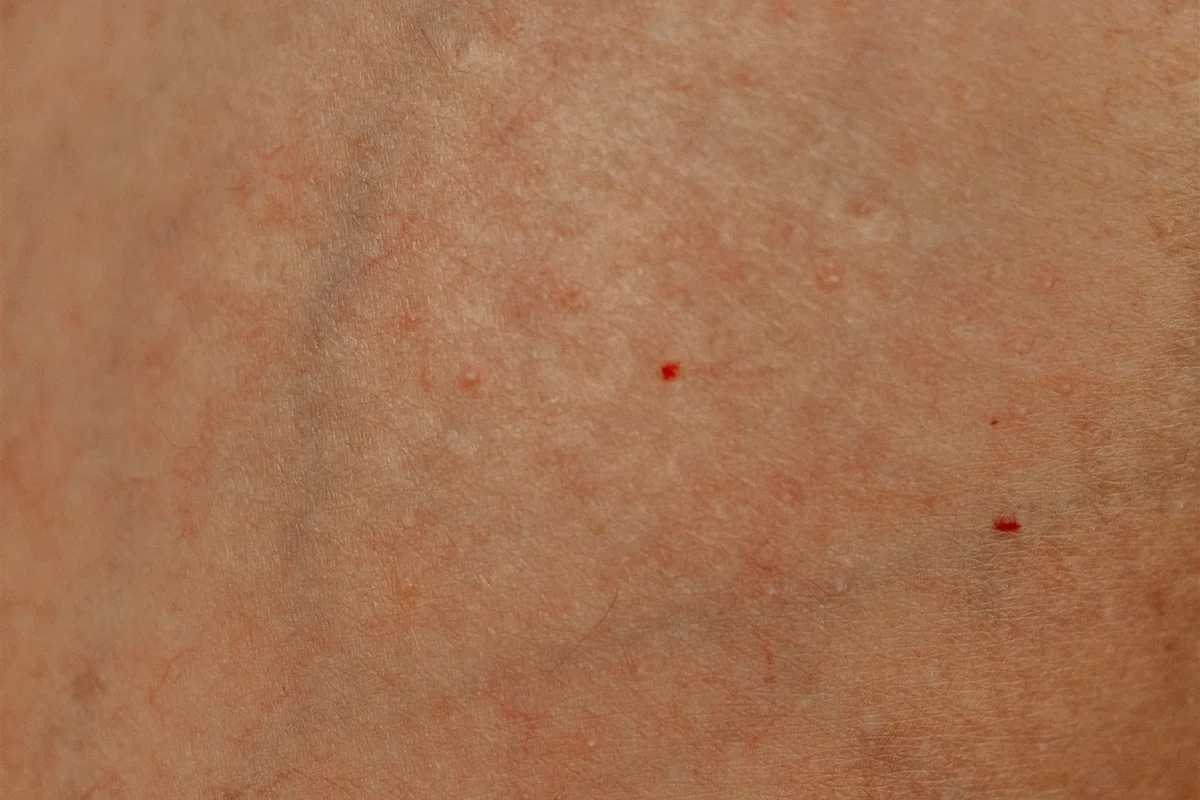
Shingles, known in folk terms as giời leo, causes a band-like rash of blisters along with severe burning pain. This article helps you recognize it early, care for it properly, and avoid long-lasting pain complications.
What causes shingles?
Shingles is caused by the same type of virus that causes chickenpox. After a person recovers from chickenpox, the virus does not disappear but lies dormant in the nerve ganglia. Many years later, when immunity declines because of age, stress, lack of sleep, or chronic illness, the virus can "wake up" and cause shingles.
The disease is not caused by "a crawling bug passing over you", so folk methods such as applying leaves, drawing with ink, or applying mung bean paste do not cure the disease and, on the contrary, easily cause infection.
Signs to recognize
- First few days: burning pain, tingling, and itching on one side of the body even though the skin still looks normal.
- Then red patches appear on the skin, followed by blisters growing in clusters, arranged in a band along the path of the nerve.
- Usually only on one side: one side of the chest, back, abdomen, or face; it does not cross the midline of the body.
- There may be a mild fever, fatigue, and swollen lymph nodes.
Proper care at home
- Keep the affected skin clean and dry; wear loose, soft clothing made of cotton.
- Do not pop the blisters, do not scratch, and do not apply leaves.
- Eat a nutritious diet, drink enough water, and get enough sleep.
- Avoid close contact with pregnant women, young children who have not had chickenpox, and immunocompromised people until the blisters have crusted over.
When do you need to seek medical care right away?
Treatment in the first few days helps make the illness milder and reduces the risk of long-lasting nerve pain after shingles, a common complication in older adults. You should seek medical care early, especially when:
- Shingles on the face, around the eyes, or on the ears: it can affect vision and hearing.
- People over 50 years old, people with chronic illnesses, or those undergoing treatment that suppresses the immune system.
- The lesions spread widely, ooze pus, or there is a high fever.
- Pain is so severe that it causes insomnia.
A vaccine to prevent shingles is currently available for older adults; you can ask your doctor when you come in for an examination. You can come directly for an examination during opening hours at Ky Hoa Medical Center, 266A - 268 3 Thang 2 Street, Hoa Hung Ward, Ho Chi Minh City. Hotline 028.3868.1097, Zalo 082.299.3377.