
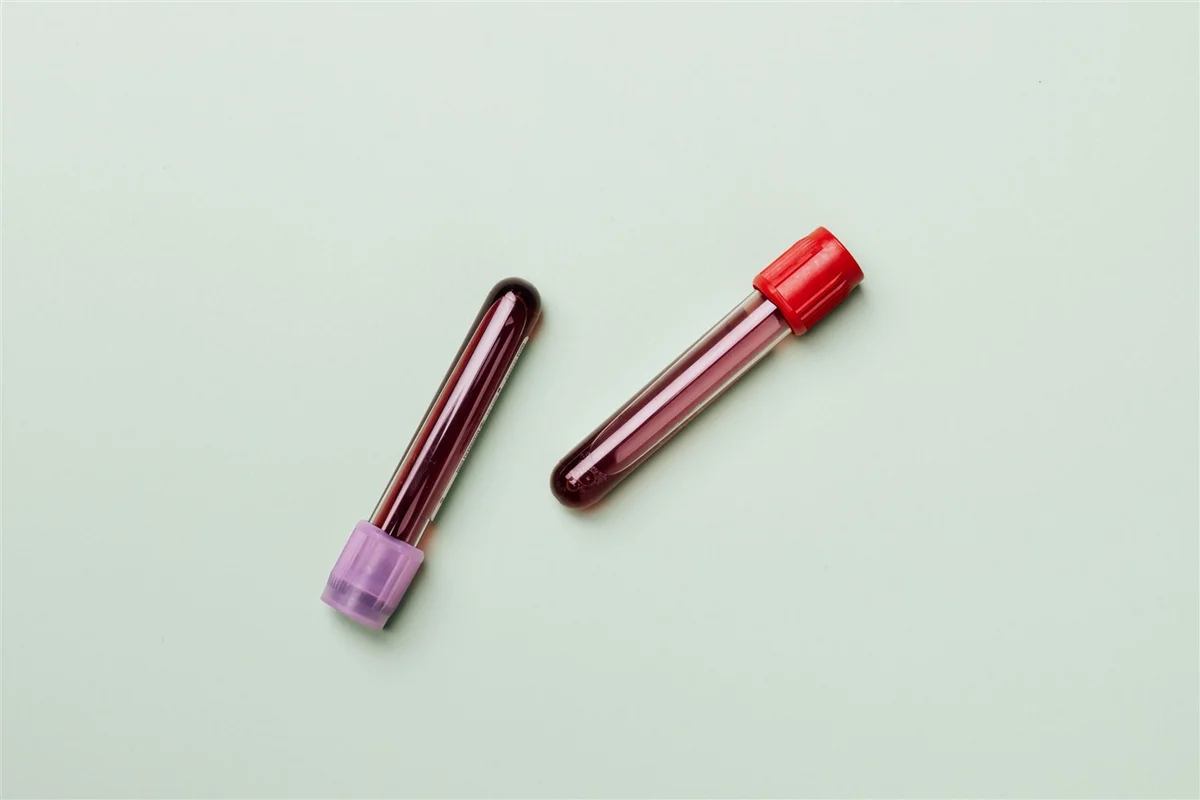
Thalassemia is a fairly common inherited anemia in Vietnam, and many people carry the disease gene without knowing it. Testing before marriage or before pregnancy helps couples take proactive steps to protect their children.
What is thalassemia?
Thalassemia, also known as congenital hemolytic anemia, is a disease caused by an abnormality in the gene that produces hemoglobin in red blood cells. The red blood cells of affected people break down easily, leading to chronic anemia. The disease is inherited from parents to children and is not transmitted through contact.
- Gene carriers: usually completely healthy or only mildly anemic, and easily mistaken for iron-deficiency anemia.
- People with severe disease: anemia from childhood, pale or yellowish skin, poor growth, enlarged liver and spleen, facial bone deformities; may require lifelong regular blood transfusions.
Why test before marriage?
If both the wife and the husband carry the disease gene, each pregnancy carries a risk of the child having severe disease. Many couples only learn they carry the gene when their child already shows signs of the disease. Early detection helps couples receive genetic counseling, pregnancy monitoring and prenatal diagnosis when needed.
What does the test include?
- Complete blood count: attention is paid to the size and hemoglobin content of red blood cells. Small, hypochromic red blood cells are a suggestive sign.
- Iron and ferritin tests to distinguish it from iron-deficiency anemia.
- Hemoglobin electrophoresis and genetic testing when indicated, to determine the type of gene carried.
The doctor will interpret the results and advise on the next steps if a gene carrier is suspected.
Things to keep in mind
- Gene carriers should not take iron supplements on their own for a prolonged period without testing, as this may cause iron overload.
- Family members of affected individuals should be screened.
- Pregnant women with microcytic anemia should have their husbands tested as well.
- Gene carriers can still marry and have children normally; the important thing is to receive full counseling.
If you would like a premarital health examination or screening blood tests, you can come in person during opening hours at Ky Hoa Medical Center, 266A - 268 3 Thang 2 Street, Hoa Hung Ward, Ho Chi Minh City, or call hotline 028.3868.1097, Zalo 082.299.3377 to ask about less crowded time slots in advance.