

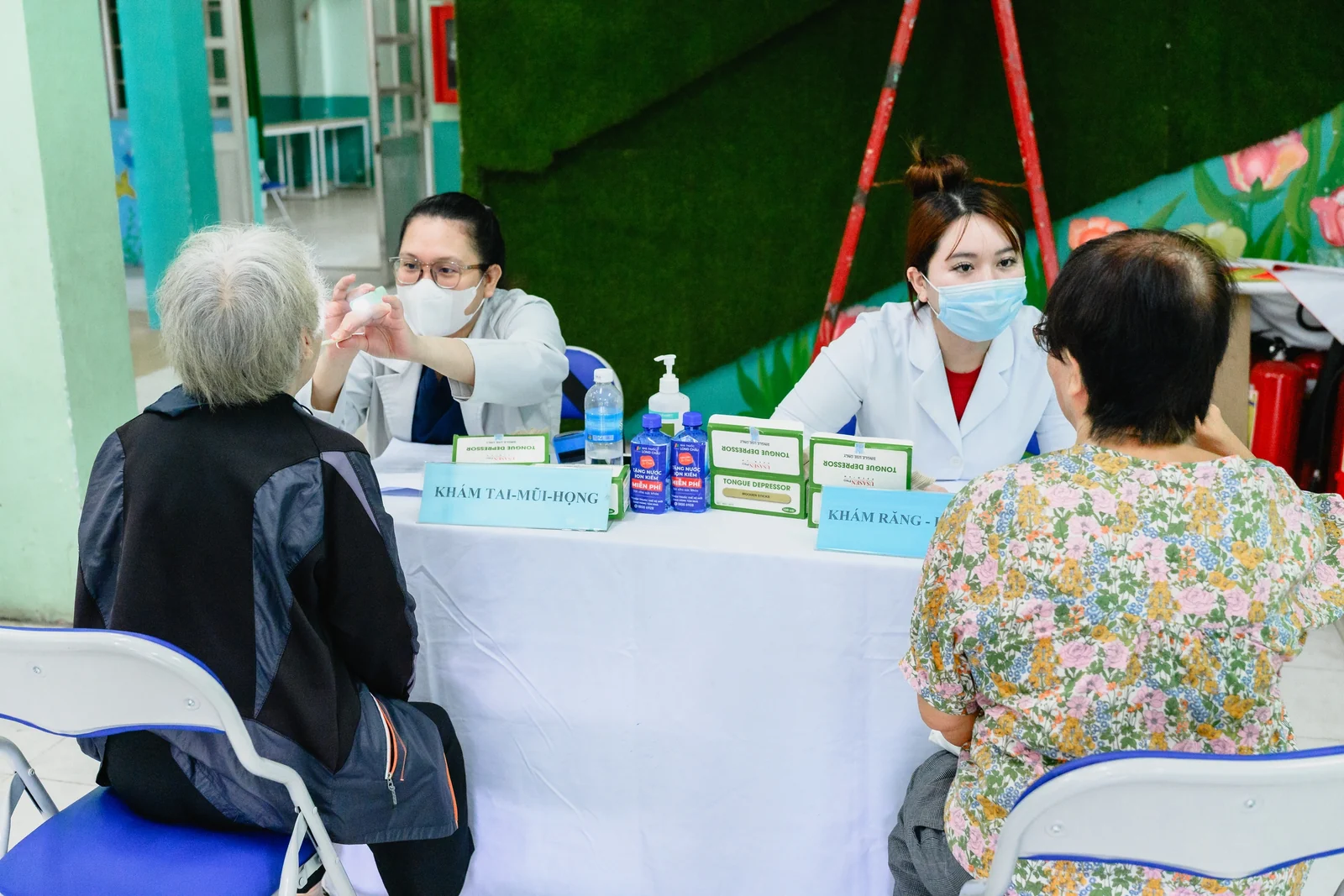
High blood pressure is no longer just a disease of older people. In the young it is often silent, tied to lifestyle, and sometimes caused by another condition.
High blood pressure (hypertension) means that the pressure of blood in the arteries stays high over time. It can occur at any age, and many young people only find out by chance during a health check-up or when their blood pressure is measured for another reason. If you have children or grandchildren who are studying or working, this is something the whole family should pay attention to.
The disease usually has no clear symptoms. Some people get headaches, dizziness, palpitations or tiredness, but these signs are not enough for a diagnosis. So do not wait until you feel unwell to measure your blood pressure.
Lifestyle factors that push blood pressure up
- Being overweight or obese, and inactive from sitting a lot for work, study, phones and computers.
- Eating salty food, lots of processed food and fast food, and drinking many sugary drinks.
- Drinking a lot of alcohol and smoking.
- Long-term stress, lack of sleep or poor-quality sleep.
- Having family members with high blood pressure.
When high blood pressure is caused by another condition
In young people, doctors pay closer attention to secondary hypertension, meaning blood pressure that is raised because of a specific disease or factor. This possibility should be considered especially when blood pressure shoots up very high, comes on suddenly, is hard to bring down, or comes with signs that suggest another condition. Causes often considered include:
- Kidney disease and narrowing of the kidney arteries (renal artery stenosis).
- Endocrine disorders such as primary aldosteronism, an overactive thyroid (hyperthyroidism) and pheochromocytoma (a tumor of the adrenal gland).
- Certain medicines, including those bought without a prescription, and stimulants.
So young people with high blood pressure should tell the doctor about all the medicines and supplements they are taking.
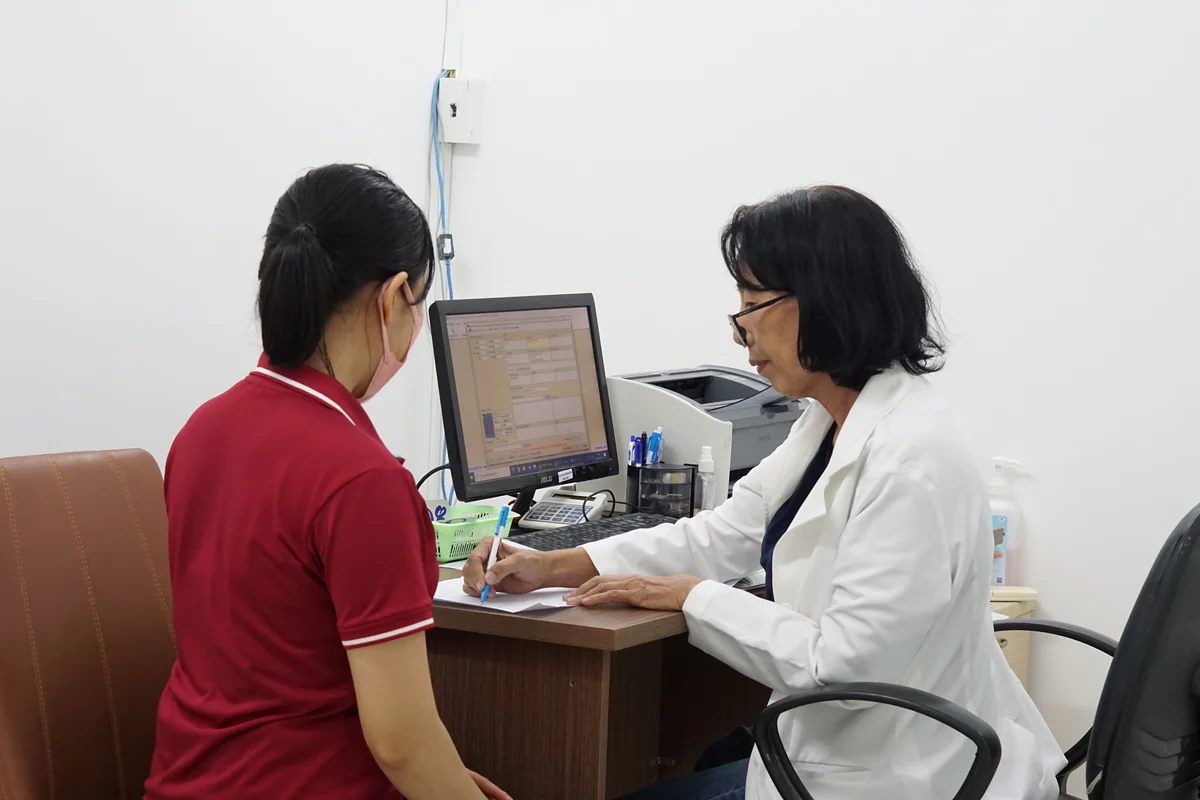
Long-term effects on the heart, kidneys and brain
Blood pressure that stays high puts strain on the walls of the blood vessels and forces the heart to work harder. While you are young you may notice nothing, but many years without control will raise the risk of stroke, heart disease, weakened kidneys and eye damage later on. Some people also develop sexual dysfunction because the blood vessels are affected, although this symptom also has many other causes.
Treatment and lifestyle changes
Not every young person with high blood pressure needs medication right away. If a specific cause is found and dealt with, blood pressure can improve markedly, and in some people it returns to normal. However, many cases are primary hypertension, which needs long-term monitoring and control. The doctor will choose a treatment approach based on the cause, related conditions, cardiovascular risk and blood pressure readings. When medication is prescribed, the patient needs to take it as directed and not stop on their own when blood pressure seems stable.
Alongside medication, the following changes are recommended:
- Follow the DASH eating pattern: fish, beans and nuts, whole grains, plenty of vegetables and fruit, lean protein and low-fat dairy; cut down on salt, sugary drinks, saturated fats, processed meats and ready-made foods.
- Potassium-rich green vegetables, beans and fruit may be beneficial, but people with kidney disease or those taking certain medicines should ask their doctor before eating a lot of potassium.
- Get at least 150 minutes of moderate exercise each week, such as brisk walking, cycling, swimming or yoga, plus muscle-strengthening exercises if suitable.
- Lose weight if you are overweight, get enough sleep, do not smoke, and find ways to relieve stress.
- Limit alcohol. There is no level of drinking that is safe for everyone; the more you drink, the more your blood pressure and heart are affected.
Trusted clinic for high blood pressure in young adults in Ho Chi Minh City
With nearly 20 years of experience and a team of highly qualified doctors, Ky Hoa Medical Center is a familiar choice for many families in Ho Chi Minh City when they need care for high blood pressure in young adults. Here, our Internal Medicine doctors take time to listen, examine carefully and explain clearly so that you fully understand your condition, then agree together on a treatment and follow-up plan.
Laboratory tests is performed on site, so you can complete check-ups in one place, which makes follow-up visits easier.
The center operates under Operating License No. 00449/HCM-GPHĐ, with a list of medical techniques approved by the Ho Chi Minh City Department of Health (Decision 471/QĐ-SYT), and is a primary care facility contracted with Ho Chi Minh City Social Security, accepting health insurance (BHYT) visits on Saturdays as well. The practising certificates of our 24 doctors are published on our Doctors page.
Checking your blood pressure regularly helps detect the condition early. If your blood pressure is unusually high or hard to control, you can come to Ky Hoa Medical Center for an Internal Medicine consultation: simply walk in during opening hours and take a queue number. The doctor will examine you, order suitable laboratory tests to find the cause and advise on treatment.
Ky Hoa Medical Center
Address: 266A - 268 3 Thang 2 Street, Hoa Hung Ward, Ho Chi Minh City
Opening hours: Monday to Saturday, 6:30 - 11:30 and 13:00 - 17:00 (closed on Sunday)
Hotline: 028.3868.1097
Source: Suc Khoe & Doi Song (Health & Life) newspaper